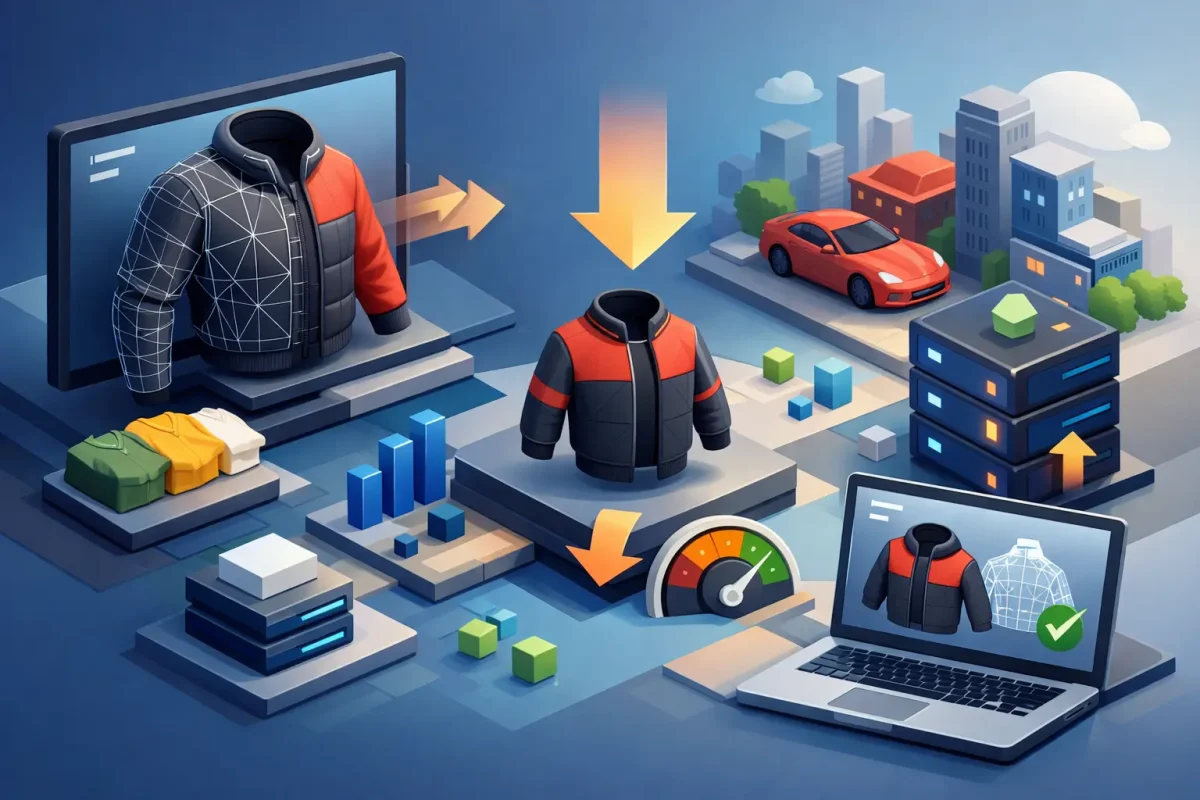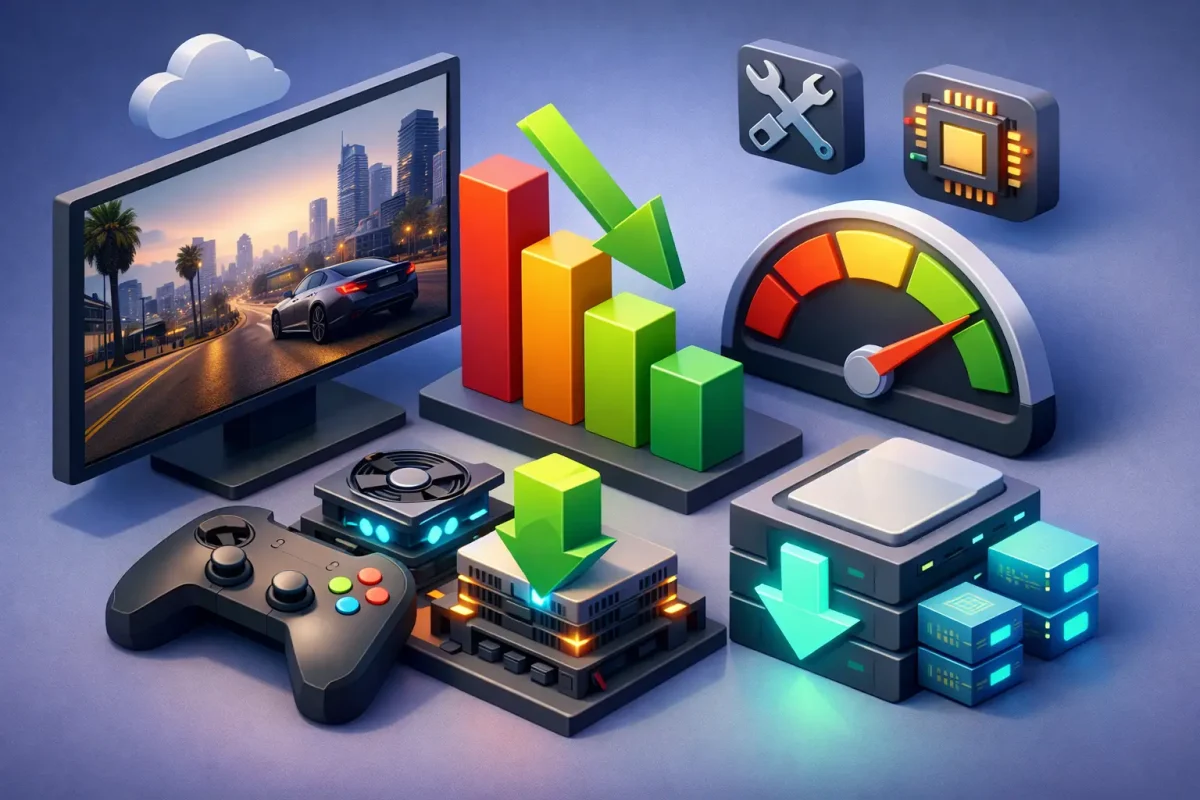


If your server drops frames the moment 20 players pull into Legion, your vehicle library is usually part of the problem. Optimized FiveM car packs are not just a visual upgrade – they directly affect resmon, streaming stability, client performance, and how professional your server feels under load.
A lot of server owners learn this after the fact. They install a huge free pack, test it alone, and everything seems fine. Then real traffic hits. Players spawn multiple imports, textures begin popping late, memory pressure climbs, and resmon numbers stop being acceptable. At that point, the issue is no longer “cars” in a general sense. It is asset discipline.
What optimized FiveM car packs really mean
In this market, “optimized” gets used too loosely. A car pack is not optimized because the screenshots look clean or because the download includes dozens of models. For a serious RP server, optimization means the pack is built and prepared for live use with resource efficiency in mind.
That usually starts with model quality and file discipline. Poly counts need to be reasonable for the role the vehicle plays. Texture sizes need to be controlled instead of bloated across every asset. Materials should be handled in a way that does not waste memory. Vehicle metadata needs to be clean, and the pack should avoid unnecessary extras that inflate streaming cost without adding meaningful RP value.
For FiveM specifically, optimization also means understanding how vehicles behave in an active server environment. A car that looks fine in a showroom can still become expensive once multiple instances are streamed in at once. This is where premium packs separate themselves from random archive dumps.
Why resmon matters more than screenshots
Most buyers already know the visual side of a vehicle pack. What matters more in production is how the resource behaves when your city is active. Resmon values are the practical checkpoint because they tell you whether an asset is lightweight enough to coexist with the rest of your framework, scripts, MLOs, clothing, and peds.
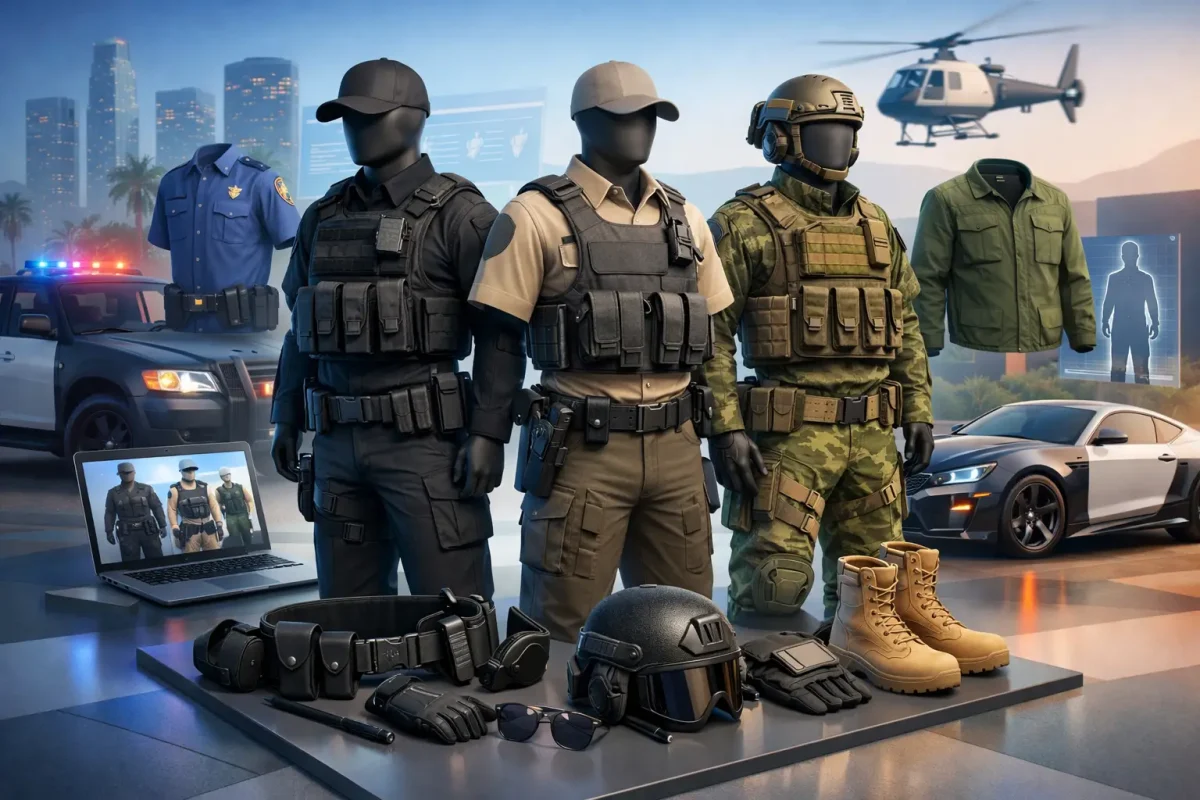
A well-built vehicle pack helps protect your performance budget. That matters even more on servers running dense downtown scenes, custom interiors, custom EUP, and script-heavy jobs. Every resource competes for headroom. If your cars are wasting it, your whole stack feels heavier than it should.
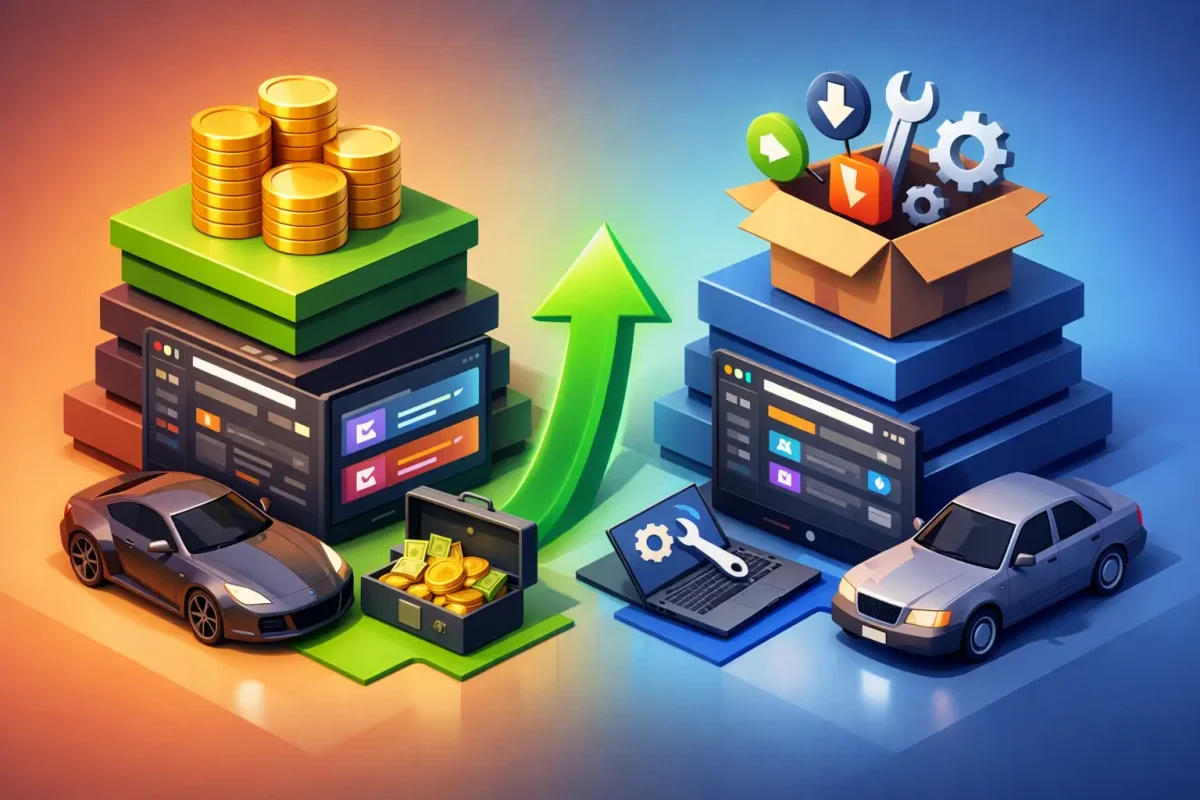
This is why optimized FiveM car packs are usually the better long-term buy, even when the upfront price is higher. Cheap or free packs often shift the real cost into troubleshooting time, player complaints, replacement work, and inconsistent performance during peak sessions.
Premium vs free packs: where the gap shows up
Free assets are not automatically bad. Some are usable, and some can be cleaned up by experienced developers. The issue is predictability. Free packs are often assembled from mixed sources with uneven standards. You may get one excellent model next to five vehicles with oversized textures, poor material setup, broken light behavior, or bad LOD handling.
Premium optimized packs are valuable because they reduce variance. The standard is more consistent. The files are more likely to be prepared for deployment instead of left for your team to fix. That matters if you are trying to build and scale quickly rather than babysit every individual vehicle.
The visual side also tends to be more controlled. Serious RP servers usually want lore-friendly, unbranded, or policy-conscious assets that fit their economy and style. Random free packs often create a mismatched city where one car looks grounded and the next looks ripped from a completely different design standard. That hurts immersion just as much as poor performance.
There is also the compliance side. Server operators who plan to grow cannot ignore Female clothing pack FiveM, branding concerns, and the risk of using questionable sources. Premium storefronts that prioritize FiveM-ready, TOS-compliant inventory remove a lot of that uncertainty.
What to look for before you buy
The first filter is whether the pack was clearly built for FiveM deployment instead of generic GTA mod use. That includes proper packaging, clean resource structure, and installation that does not feel improvised. If the seller cannot communicate basic readiness, that is already a warning sign.
The second filter is performance intent. Look for explicit optimization language that points to resource efficiency rather than generic marketing. If a store mentions optimized assets, resmon awareness, editable files, or deployment-ready packaging, that is usually a stronger signal than “high quality” alone.
Third, look at the composition of the pack. A strong vehicle pack is curated. It has a purpose. It might support civilian traffic, law enforcement fleets, business vehicles, motorcycles, or luxury imports, but it should feel intentional. Huge bundles with no internal logic often create more clutter than value.
Fourth, think about your server identity. A heavily realistic economy server needs different vehicles than a casual drift-focused community. Optimization still matters in both cases, but the right pack is the one that supports your server’s gameplay loop without creating dead content that players ignore.
The technical details that affect performance
Server owners do not need every modeling detail, but they should know what usually causes vehicle packs to become expensive. Very high poly interiors on cars that are meant to flood the streets can be wasteful. Oversized 4K textures across an entire fleet can create unnecessary memory load. Poorly handled extras and materials can increase draw complexity. Missing or weak LOD strategy can make distant streaming less efficient than it should be.
None of these issues are dramatic in isolation. The problem is multiplication. One badly built car might be tolerable. Fifty of them across an active city is where frame pacing, streaming reliability, and visual consistency begin to slip.
That is why curated premium packs tend to outperform random collections. They are more likely to be balanced for actual use. Not every car needs the same level of detail. A showcase import and a common traffic sedan should not carry the same performance weight.
Why editable and scalable packs matter
Optimization is not only about today. It is about how easily the asset fits into your server as it grows. Editable packs have a practical advantage because your team can align handling, spawn names, liveries, audio assignments, and category placement without rebuilding everything from scratch.
Scalability matters here. The right pack should work for a launch server with a modest player base and still make sense once your city has a larger economy, more factions, and more custom content competing for resources. That is where a specialized storefront earns its value. FivemCore, for example, positions premium FiveM-ready assets around optimization, editability, and deployment efficiency because those are the factors serious operators actually care about after the first install.
When a cheaper pack can still make sense
It depends on your stage and your standards. If you are testing a concept server, building a private dev environment, or planning to heavily rebuild every model yourself, a lower-cost or free pack may be acceptable. But that only works if your team has time and technical ability to audit, compress, replace, and fix what comes with it.
For most production RP servers, that trade-off stops making sense fast. Time spent cleaning weak assets is time not spent building jobs, interiors, economy systems, or player-facing features. Buying optimization up front is often more efficient than trying to patch it in later.
Building a better fleet, not a bigger mess
The strongest servers do not win by having the most vehicles. They win by having the right vehicles, packaged correctly, performing reliably, and matching the server’s roleplay style. A disciplined car library feels better to drive, easier to manage, and more stable during peak activity.
That means treating vehicle packs like infrastructure, not decoration. If a pack helps your city stay responsive, preserves resmon headroom, supports TOS-compliant worldbuilding, and reduces setup friction, it is doing real work for your server. If it only adds screenshots and hidden performance cost, it is not premium no matter how many cars are included.
When you evaluate optimized FiveM car packs, think beyond price and count. Think in terms of uptime, player retention, clean deployment, and whether your server still feels solid when the streets are full. That is where good assets pay for themselves – not in the product gallery, but in live roleplay when everything is moving at once.