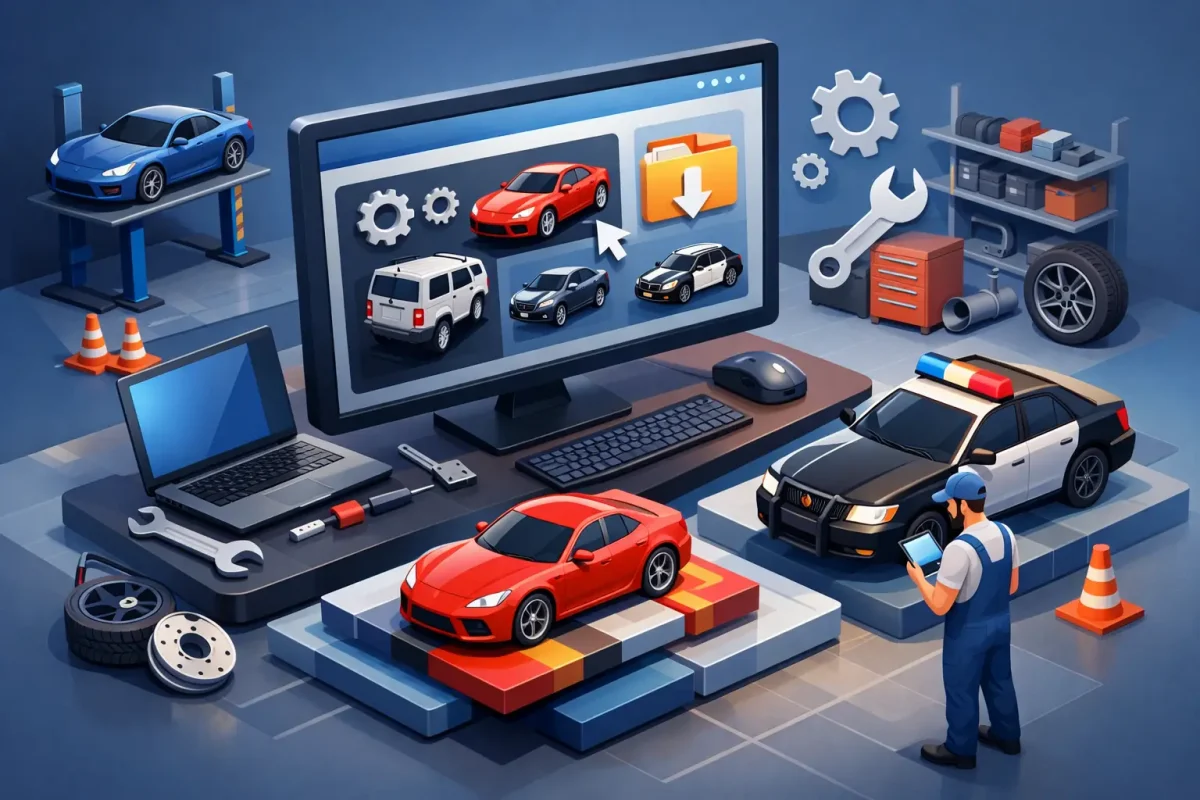


A police cruiser with a real-world badge, a storefront covered in trademarked logos, or a script bundle packed with bloated dependencies can create problems fast. For serious RP communities, unbranded FiveM assets are not just a style choice. They are a practical way to protect immersion, reduce compliance risk, and keep server performance under control.
For server owners building around long-term retention, branding choices affect more than screenshots. They shape how believable your city feels, how safely your content fits platform expectations, and how much cleanup your team handles later. The difference between a server that feels curated and one that feels stitched together often starts with the assets.
What unbranded FiveM assets actually solve
In the FiveM ecosystem, unbranded usually means the asset avoids real-world trademarks, protected logos, and direct copies of branded designs. That matters for servers trying to stay lore-friendly and TOS-conscious while still offering premium-looking vehicles, MLOs, clothing, props, and other custom content.
A lot of server operators learn this the expensive way. They launch with mixed assets from free forums, old archives, and disconnected creators. On day one, the content looks acceptable. A month later, they are replacing badging on vehicles, editing textures to remove logos, and troubleshooting resources that were never built to work together. That kind of rework costs more than buying correctly prepared assets in the first place.
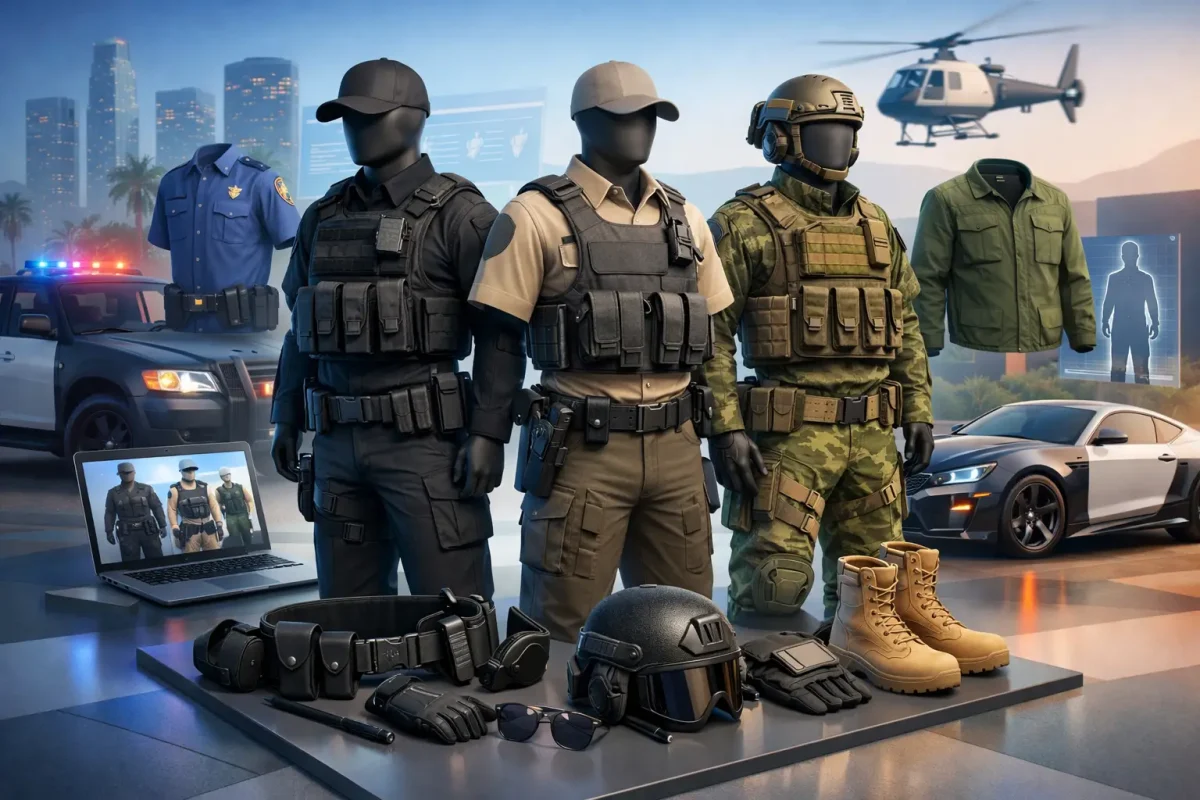
Unbranded assets also create a cleaner roleplay environment. When players see generic police, medical, business, or civilian content that fits the world instead of copying a real brand one-to-one, the server feels more intentional. The city reads as its own setting, not a stack of imported references.
Unbranded FiveM assets and compliance
Compliance is not a marketing extra. It is part of operating a server responsibly.
Real-world branding introduces avoidable exposure. Whether it is vehicle liveries, clothing labels, gas stations, restaurant interiors, or retail signage, recognizable marks can push an asset into territory many server owners would rather avoid. If your project is built to scale, every questionable texture becomes technical debt.
This is why unbranded FiveM assets are often the smarter baseline. They reduce the amount of manual editing needed before deployment, and they make it easier to maintain a consistent asset standard across the server. If you are running a public RP server with a serious player base, that consistency matters.
There is also a workflow advantage here. When an asset is already prepared as lore-friendly and unbranded, your team can move straight into testing placement, balancing usage, and checking interactions with existing resources. You are not spending hours stripping logos from a model only to find the original file structure was poor to begin with.
Premium vs free assets: where the real difference shows
The biggest gap between premium and free assets is rarely the thumbnail. It shows up in performance, consistency, and deployment time.
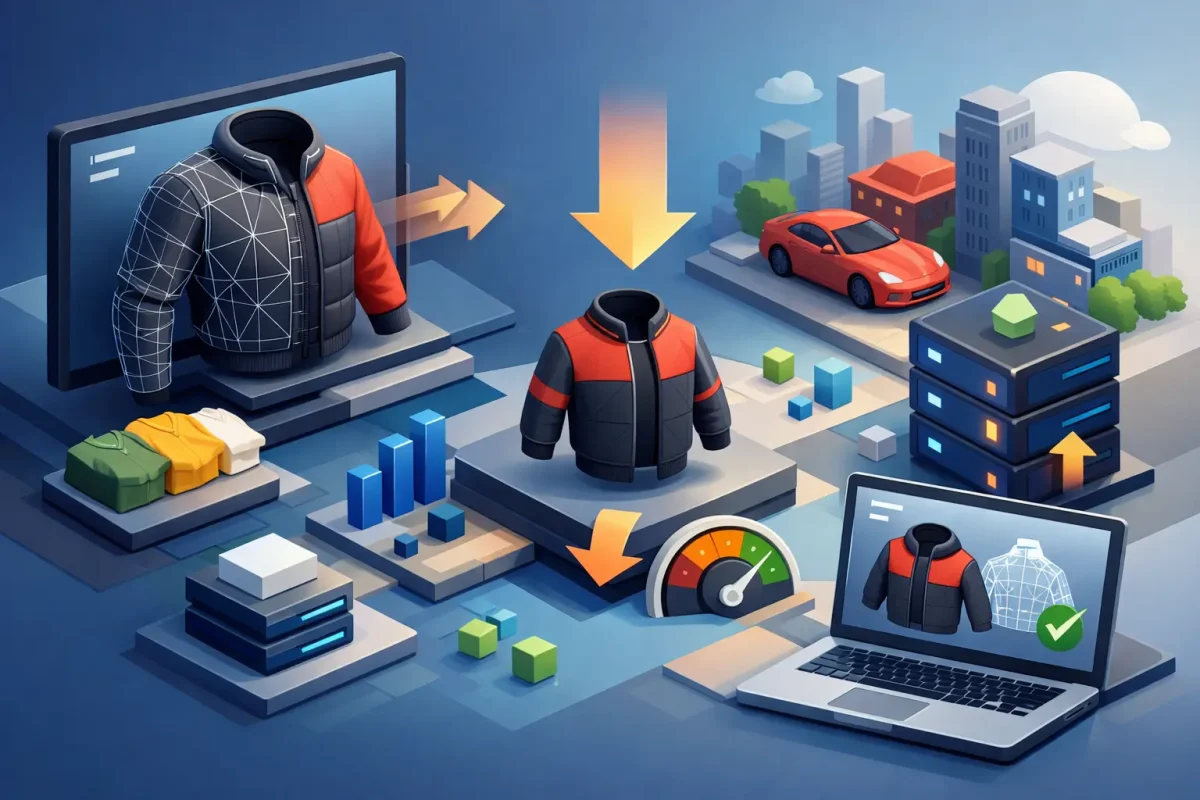
Free assets can be useful for prototyping or filling a minor gap, but they often come with trade-offs. Texture sizes may be excessive. Model optimization may be weak. File naming can be inconsistent. Dependencies are sometimes undocumented. Materials may not be set up correctly. In vehicles and MLOs especially, poor optimization shows up quickly in Resmon, streaming load, and player complaints.
A premium asset built for production should do more than look good. It should be FiveM, organized, and optimized for active servers. That means sensible poly use, cleaner texture handling, better collision setup, proper resource structure, and lower overhead during actual gameplay.
For scripts and interactive content, the same standard applies. If a resource spikes usage under normal player activity, the cost is not abstract. You feel it in frame drops, delayed interactions, and support tickets. Server owners who care about uptime and retention know that an asset with lower idle and active Resmon values is not a minor feature. It is part of the buying decision.
Why optimization matters as much as design
A server can survive average visuals longer than it can survive bad performance.
That is why asset evaluation should always go beyond screenshots. An unbranded police pack, clothing bundle, or custom business interior might fit your aesthetic perfectly, but if it drags client performance or introduces unnecessary streaming weight, it becomes a liability. Premium assets justify their price when they help preserve visual quality without wasting resources.
For FiveM operators, optimization is not one metric. It is a stack of decisions. Texture resolution should match the use case. LOD behavior should make sense. Props and mapped interiors should not be built with careless density. Scripts should avoid unnecessary loops and inefficient client calls. Vehicles should be prepared with practical handling of materials, extras, and liveries.
Resmon values are one of the clearest signals because they tell you what the resource is doing in real conditions. A clean-looking pack with poor resource usage can quietly damage the overall server experience. When multiple unoptimized assets stack together, even a strong server build starts feeling unstable.
Where unbranded assets make the biggest impact
Vehicles are usually the first category where unbranded design pays off. Law enforcement, EMS, civilian fleets, motorcycles, and business vehicles all benefit from lore-friendly treatment. You get cleaner visual identity, fewer compliance concerns, and easier faction standardization.
MLOs are close behind. Real-world storefronts and interiors might look familiar, but they can break immersion if the rest of the city uses custom worldbuilding. An unbranded restaurant, dealership, mechanic shop, or office space tends to integrate better across a custom server economy.
Clothing and peds matter too, especially on servers with gang systems, public jobs, private businesses, or whitelist factions. Real brand marks can feel out of place or create moderation headaches. Unbranded packs give players room to build identities that fit the server instead of borrowing too much from outside IP.
Even smaller categories such as sounds, props, and signage benefit from the same approach. Once you commit to a cleaner asset standard, the whole server feels more deliberate.
What to look for before you buy
Not every premium label means the same thing. Serious buyers should check whether the asset is actually prepared for production use.
First, look at optimization claims with a technical mindset. If a seller talks about performance, they should be thinking in terms of resource efficiency, reasonable file structure, and practical deployment. For scripts, Resmon awareness matters. For streamed assets, weight and organization matter.
Second, check editability. Some server teams need assets they can adjust for department names, faction color schemes, economy branding, or map integration. If the files are locked down or poorly organized, customization becomes slower than it should be.
Third, evaluate consistency. A good storefront is not just selling isolated files. It is offering assets that feel like they belong in the same quality tier. That helps when you are scaling beyond one purchase into a full server build.
This is where a specialized marketplace like FivemCore fits naturally. For operators who want premium, optimized, FiveM-ready content with a strong focus on lore-friendly and TOS-conscious deployment, curated sourcing saves time and reduces risk.
The trade-off: when branded content still gets used
Some communities still choose branded assets because they want direct realism. That is a valid creative decision, but it comes with more responsibility. The more closely you mimic real-world brands and agencies, the more likely you are to face consistency issues, replacement work, or policy concerns later.
For smaller private servers, that trade-off may feel manageable. For public communities, growing projects, or teams planning long-term content expansion, unbranded assets are usually the safer and more scalable route. They are easier to standardize, easier to build around, and easier to keep aligned with a professional asset strategy.
If your goal is to build a server that looks premium, runs clean, and stays maintainable as it grows, asset selection should be intentional from the start. The best unbranded FiveM assets do not feel generic. They feel purpose-built, optimized, and ready to support the kind of RP environment players actually stay for.
The strongest servers are not patched together from whatever is available. They are built with assets that respect performance, fit the world, and hold up under scale.