Server owners usually find out they need a Roleplay asset tos compliant workflow after the expensive mistake – a branded car pack, a ripped interior, or a script bundle with unclear rights that creates risk the moment it goes live. If you are building a serious RP server, compliance is not a side issue. It affects what you can sell, what you can deploy, how safely you can scale, and how much technical debt you inherit from every asset you install.
The problem is that “TOS compliant” gets used loosely in the Roleplay market. Some sellers mean the asset is unbranded. Others mean it is safe for Tebex. Others are only talking about game performance. Those are related, but they are not the same thing. A compliant asset is really a combination of legal safety, platform compatibility, and practical server readiness.
What Roleplay asset tos compliant actually means
At a working level, a Roleplay asset tos compliant asset is one that does not create obvious conflicts with platform rules, monetization rules, or third-party intellectual property rights. For most server operators, that starts with avoiding unauthorized real-world branding, ripped models, and content redistributed without permission.
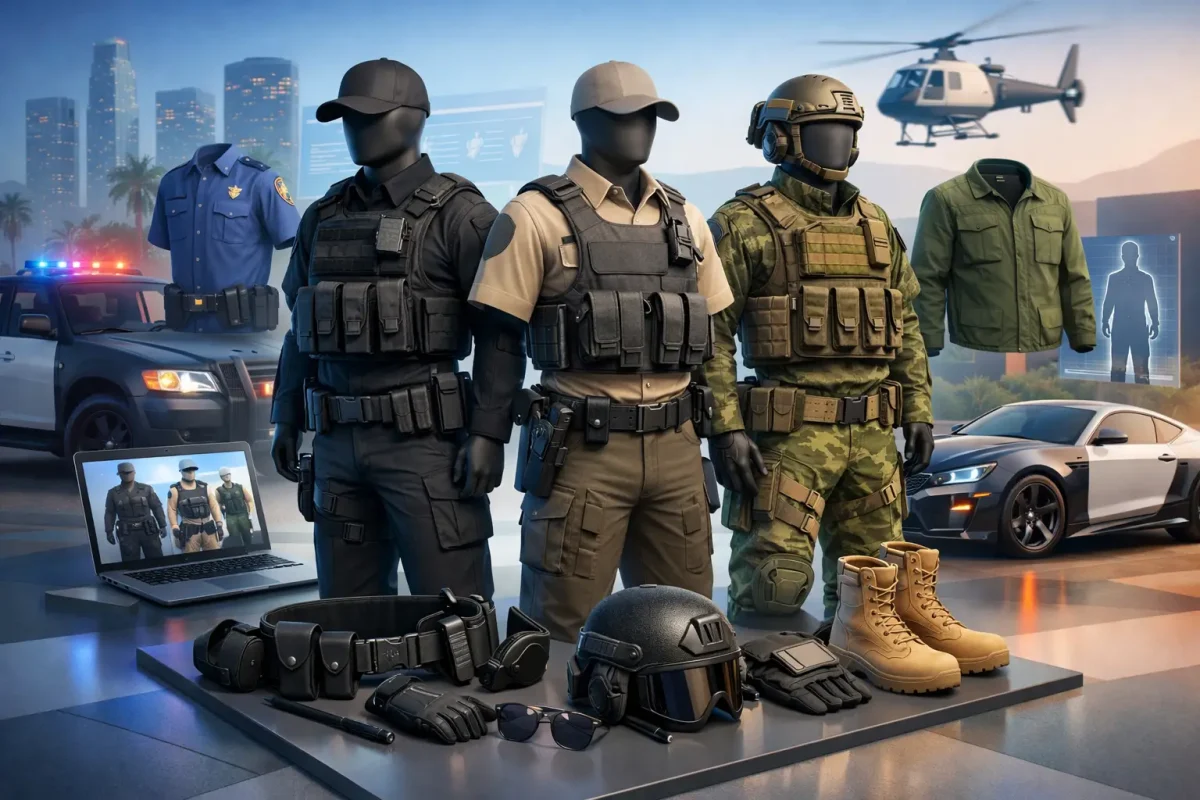
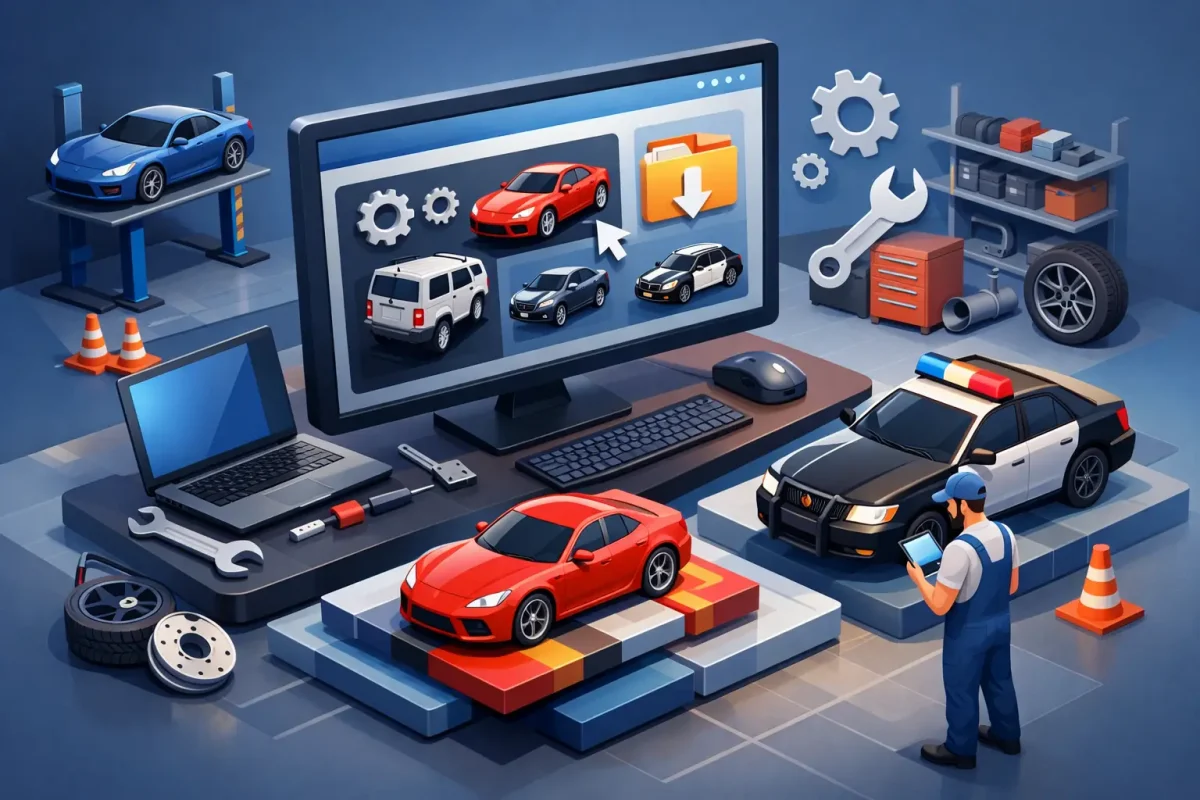
This is why lore-friendly and unbranded assets matter so much. A police vehicle inspired by a real platform but built for roleplay use, with original badging and clean texturing, is a much safer choice than a direct replica covered in protected logos. The same logic applies to clothing, peds, MLOs, and props. If the asset depends on someone else’s brand identity or stolen source files, the risk does not disappear just because it installs cleanly.
Compliance also includes how the asset is packaged and sold. If you plan to monetize access, run Tebex packages, or scale a commercial server community, you need assets that are intended for that use and sold with clear rights. Technical quality is part of the equation too. Broken files, bloated textures, and sloppy resource structure may not look like legal issues, but they often come from the same low-standard pipeline that ignores licensing in the first place.
Why compliance matters beyond policy
A lot of buyers treat compliance as something abstract until they have to replace half a server build. That replacement cost is real. When a server depends on non-compliant vehicles, interiors, or branded clothing packs, every update, rework, and monetized package is built on unstable ground.
There is also a trust issue with your player base. Serious RP communities notice when a server looks patched together from random free releases, mixed-quality leaks, and poorly optimized imports. Premium, compliant assets create a more consistent visual standard and reduce the chance of sudden removals or last-minute swaps that disrupt immersion.
From an operations standpoint, compliance saves time. A clear, editable, Roleplay-ready asset with organized files and responsible design is easier to integrate, easier to troubleshoot, and easier to expand later. That matters when you are managing a live server, not just testing one on a local build.
The difference between compliant and merely usable
Some assets are usable in the narrowest sense. They load, they spawn, and they appear functional. That does not make them safe to build around.
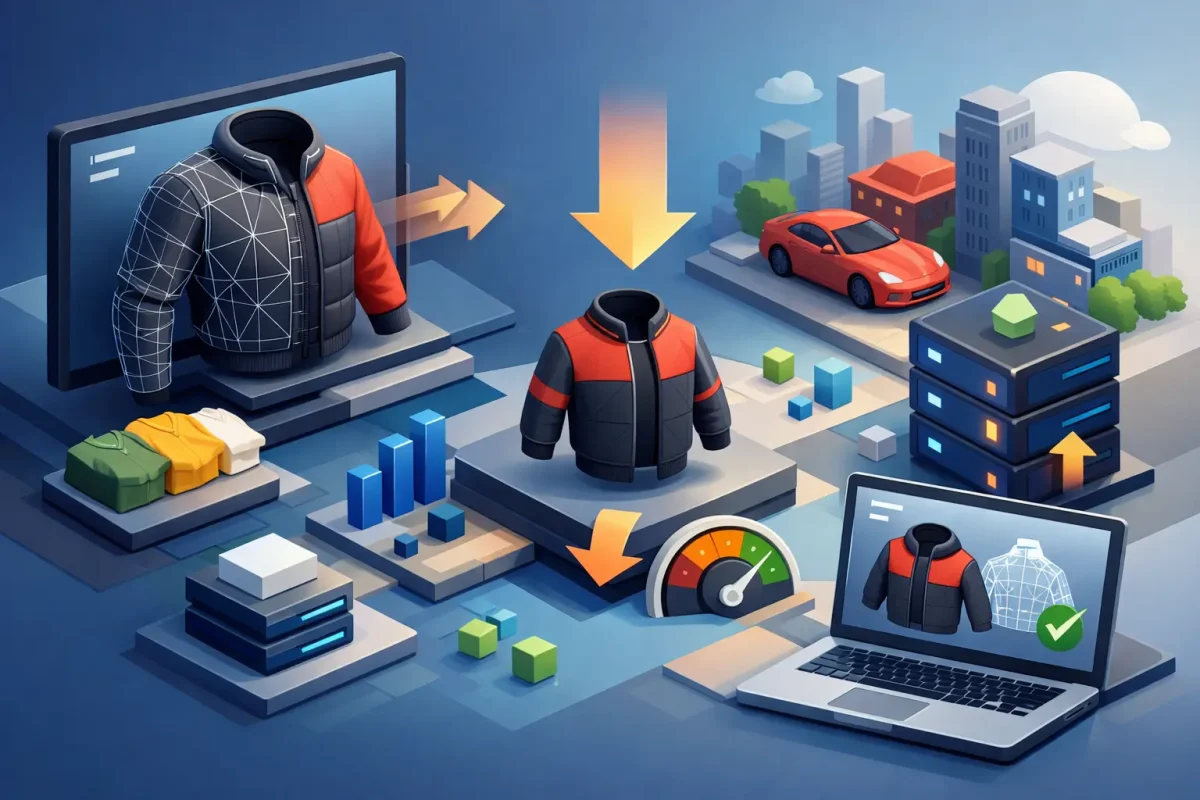
Free or unoptimized releases often come with three common problems. First, ownership is unclear. You do not know whether the uploader created the asset, licensed it properly, or simply reposted it. Second, branding and source material may be copied too closely, which adds avoidable risk. Third, performance is usually an afterthought, with oversized textures, poor LOD setup, and avoidable Resmon impact.
Premium assets are not automatically compliant, but higher-quality providers tend to document their standards more clearly. That usually means unbranded or lore-friendly design, better build quality, editable files where appropriate, and cleaner installation structure. For a server owner, that is not just a presentation upgrade. It is a lower-friction path to stable deployment.
How to evaluate a Roleplay asset before you buy
The fastest way to reduce risk is to review assets like an operator, not like a collector. The screenshot is not the product. The product is the rights, structure, performance profile, and long-term maintainability.
Start with branding. If a vehicle, clothing pack, or prop relies on protected logos, exact manufacturer marks, or obvious real-world replication, ask whether that exposure is worth it. In many cases, the better option is a lore-friendly equivalent designed for RP use. It preserves the feel without carrying the same baggage.
Then look at the source quality. Original or properly licensed work usually has more consistency in mesh quality, materials, naming, and package structure. Reuploaded or ripped assets often show signs of poor conversion, mismatched texture work, or bloated file sizes. If the seller cannot explain what the asset is, where it came from, or how it is licensed, move on.
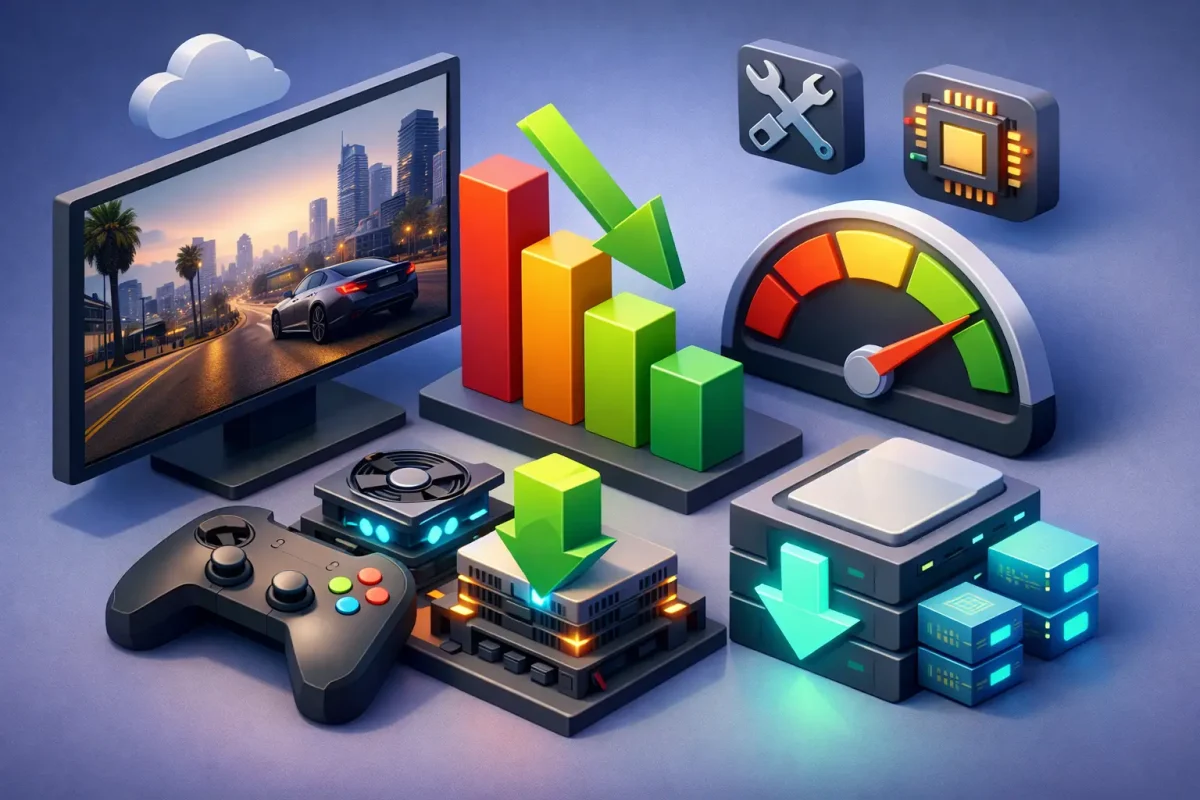
Performance should be checked with the same seriousness as compliance. A pack that looks impressive in screenshots but spikes Resmon, streams too many heavy files, or drags client performance is a liability. On active RP servers, resource efficiency is part of premium quality. Better optimization means lower overhead, more reliable city density, and more room for the scripts and systems that actually drive gameplay.
Why optimized assets are the safer commercial choice
Optimization and compliance are closely related because both reflect production discipline. A seller who invests in clean topology, sensible textures, proper compression, and low Resmon impact is usually approaching the asset as a deployable product, not as a quick flip.
That matters when comparing premium assets with free alternatives. A free vehicle pack might save money upfront, but if it includes poor collisions, oversized liveries, and inconsistent handling data, the hidden cost lands on your team. You spend time fixing what should have been done before release. The same goes for MLOs with heavy draw calls, scripts with wasteful loops, or clothing packs that create unnecessary client load.
An optimized premium asset does more than run better. It gives you a cleaner server baseline. That means fewer support issues, more predictable scaling, and a better player experience during peak activity. For communities planning long-term growth, that is usually the better business decision.
Red flags that usually mean trouble
If the listing leans on real-world branding as the main value, treats licensing as vague, or avoids any discussion of editability and intended use, take that seriously. Compliance is not something a seller should imply through aesthetics alone.
Be careful with packs that seem too broad for the price, especially when they combine many asset types with no clear authorship. Massive bundles filled with copied cars, random clothing, and mixed interiors often create cleanup work later. You may save on checkout and pay for it during integration, replacement, or moderation.
Another red flag is the absence of performance detail. Sellers focused on serious server deployment should understand optimization, file structure, and practical runtime impact. In this market, premium should mean more than just polished preview images.
Building a server around TOS-compliant assets
The strongest servers do not treat compliance as a final checkbox. They build around it from the start. That means choosing assets that are Roleplay, unbranded where needed, structured for clean installation, and efficient enough to support larger systems without dragging down performance.
For many operators, the best approach is to standardize early. Use providers that prioritize lore-friendly design, optimization, and clear asset quality across categories. When your cars, MLOs, peds, scripts, and clothing packs follow the same quality bar, your server is easier to maintain and more consistent to players.
This is especially valuable if you plan to expand fast. A scalable content pipeline is not just about buying more assets. It is about avoiding replacement cycles caused by poor sourcing decisions. One well-built compliant pack is usually more valuable than three cheap packs you have to phase out later.
A marketplace like RoleplayCore fits that model because the value is not just the catalog depth. It is the focus on premium, optimized, Roleplay-ready assets built for real server deployment, including lore-friendly and TOS-compliant options that reduce guesswork for serious operators.
The standard to aim for
If you run a commercial RP server, the question is not whether an asset can be made to work. The question is whether it deserves a place in a production environment. A real Roleplay asset tos compliant standard means original-minded design, cleaner rights posture, practical Roleplay readiness, and performance that respects your server budget.
That standard usually costs more than random free releases. It also saves more than it costs when you factor in support load, player-facing quality, monetization safety, and the time you do not waste replacing bad content. Build with assets you can scale confidently, and your server stays focused on roleplay instead of cleanup.