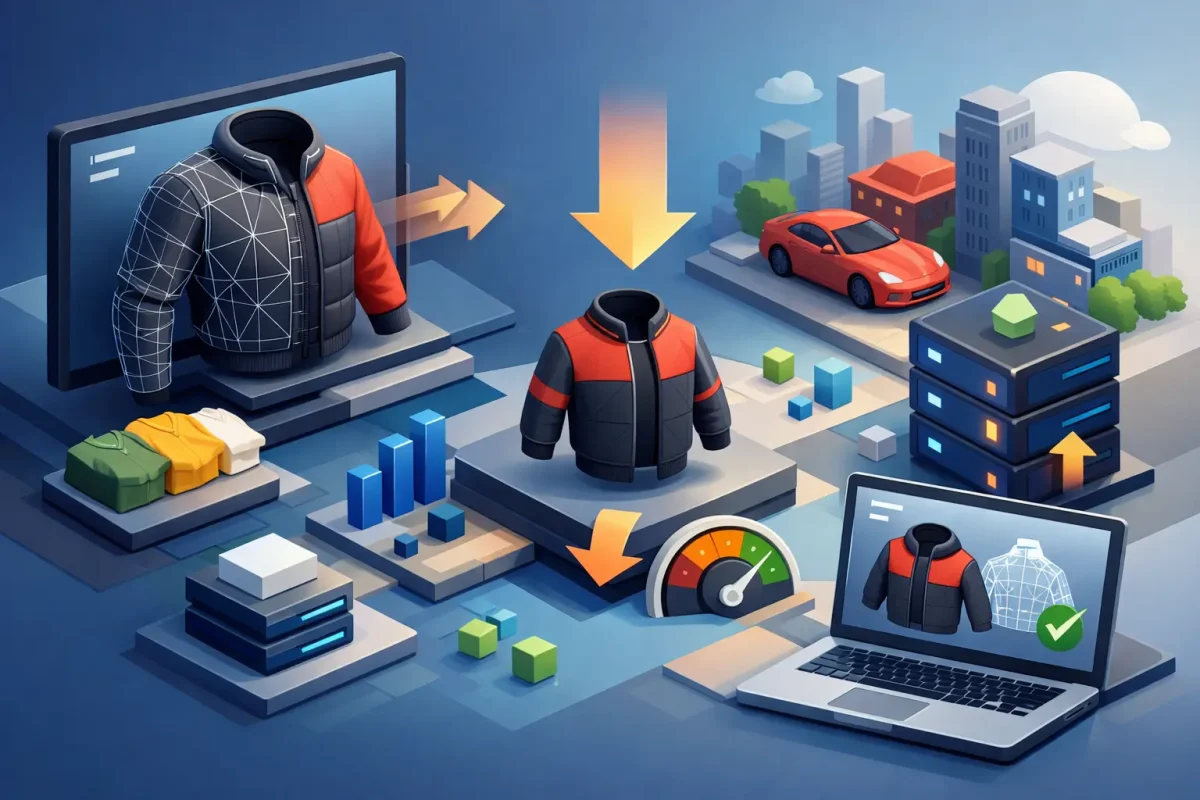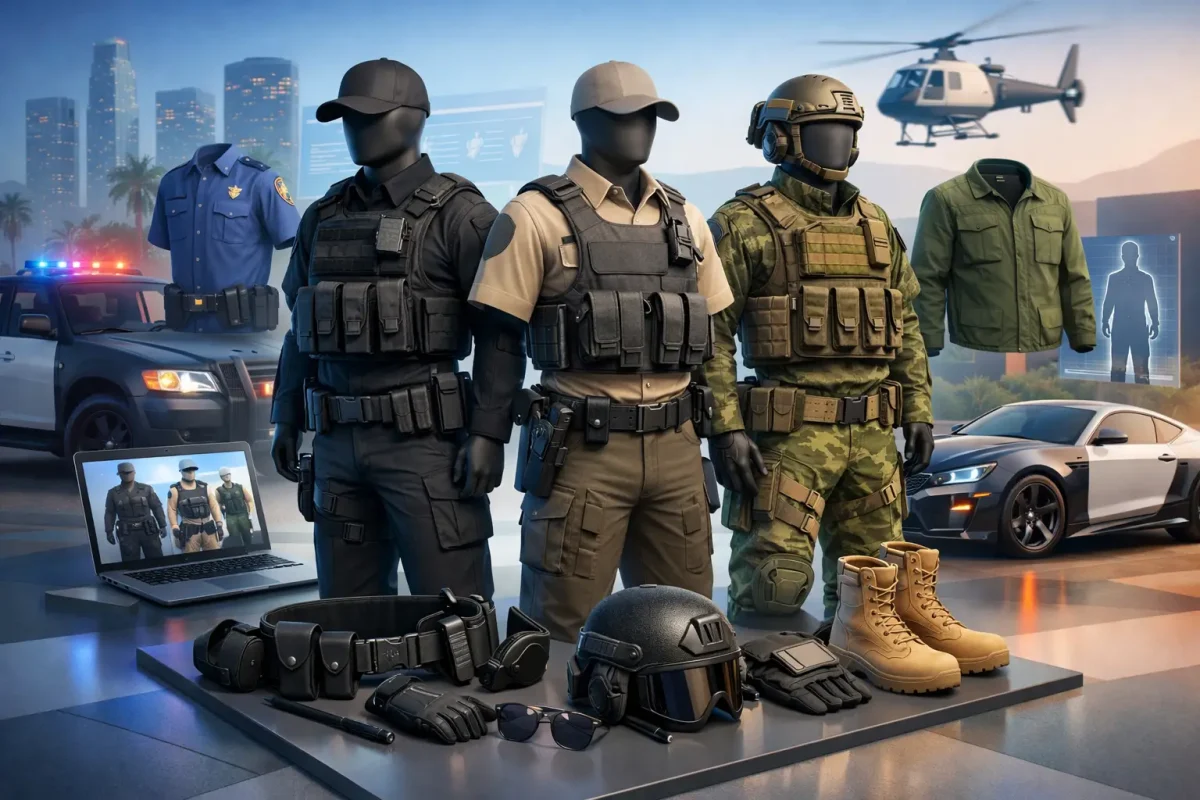


If you are planning a custom police station, a reworked dealership, or a full city refresh, the FiveM MLO vs YMAP decision affects more than visuals. It directly impacts interior support, map behavior, install complexity, editability, and in some cases how cleanly your server scales as you add more assets. For serious roleplay servers, picking the wrong format often means wasted budget, messy replacements, or avoidable performance problems later.
FiveM MLO vs YMAP: the core difference
At a basic level, a YMAP is a map placement file. It tells the game where props, buildings, vegetation, and other world objects should appear. A YMAP is often used for exterior additions, map edits, and environmental changes that do not require a full custom interior shell with portals and room definitions.
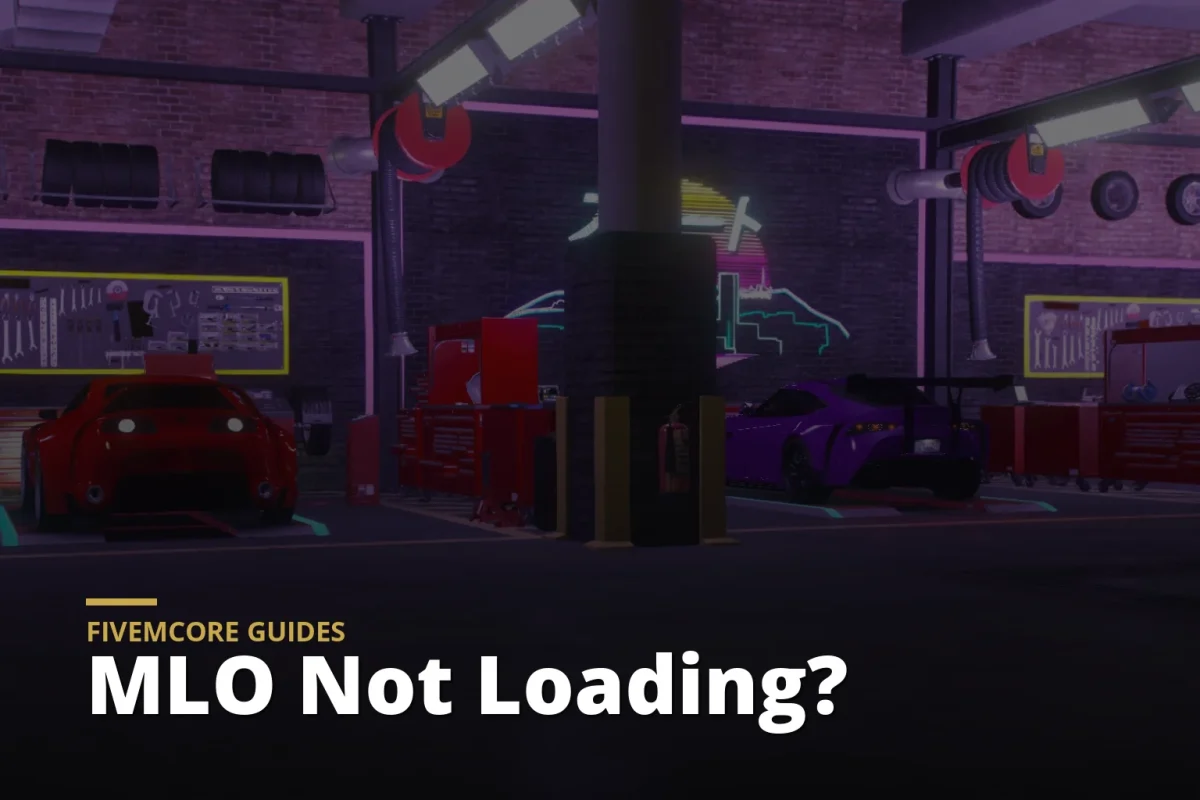
An MLO is different. In FiveM terms, an MLO usually refers to a custom interior map built with interior spaces, multiple rooms, portals, entity sets, and detailed interior behavior. If you want players to walk through a building naturally, move between rooms, and interact inside a purpose-built roleplay environment, you are usually looking for an MLO rather than a simple YMAP.
That is why these two formats are not direct replacements for each other. They solve different problems. A YMAP is often the right choice for placing or changing things in the open world. An MLO is typically the right choice when the actual interior experience matters.
When a YMAP is the better fit
YMAPs are practical for servers that want quick environmental upgrades without rebuilding the entire world structure. Parking lots, roadside businesses, construction zones, gang compounds, custom yards, or city detail passes are common YMAP use cases. They are often easier to deploy and can be a cost-effective way to improve visual density fast.
For many server owners, that matters. If your goal is to make Los Santos feel more active and customized without adding heavy interior infrastructure, a well-made YMAP can do the job efficiently. It can also be the safer choice when you need broad world coverage instead of one hero location.
That said, quality varies hard in the FiveM market. Free or poorly built YMAPs often look acceptable in screenshots but create issues in live play. Props may clip, LODs may be sloppy, placements may conflict with other resources, and collision can feel inconsistent. If the file is not optimized, you may also end up with unnecessary object density that increases streaming load with little roleplay value.
When an MLO is the better fit
MLOs are built for interior-driven roleplay. Police departments, hospitals, mechanic shops, clubhouses, offices, restaurants, and gang interiors all benefit from the structure an MLO provides. If your players are spending real time inside the location, running scenes, opening businesses, or using rooms for faction operations, an MLO gives you the depth that a YMAP cannot.
A premium MLO also gives you more control over layout, immersion, and branded server identity. Room flow, lighting, interaction zones, and interior scale all shape how players experience a space. In high-traffic roleplay servers, that matters because memorable interiors are part of retention, not just decoration.
The trade-off is that MLOs are usually more demanding to build properly and more sensitive to bad optimization. A low-quality MLO can create more problems than value. Poor portals, excessive assets, unoptimized textures, and bad collision setup can increase memory use, create streaming issues, and make the space feel heavy in active scenes.
Performance and resmon: what actually matters
Server owners often ask whether MLOs or YMAPs are better for performance, but that question needs context. Resmon values are influenced by more than the label on the asset. The real factors are asset density, texture usage, collision quality, prop count, streaming setup, and how the resource is packaged.
A clean YMAP with sensible object placement can be very light. A bloated YMAP stuffed with unnecessary props can become a wasteful map edit. The same applies to MLOs. A professionally optimized MLO can perform well in active use, while a free interior loaded with oversized textures and poor visibility handling can drag down the player experience.
For practical deployment, YMAPs often have the edge in simplicity. They tend to be easier to stream and easier to stack if they are designed correctly. MLOs demand more attention because interiors involve more moving parts. That does not make MLOs bad for performance. It means optimization quality is non-negotiable.
If you are evaluating assets for a live server, do not judge only by screenshots. Ask whether the map is optimized for FiveM, whether it has clean collision, whether textures are sized appropriately, and whether the resource is built for stable real-world use rather than showroom presentation. Premium assets justify their price when they save you hours of cleanup and avoid hidden resmon costs.
Editability and long-term server scaling
Another major difference in the FiveM MLO vs YMAP conversation is how each asset type fits your roadmap. If you are building a server that will expand over time, editability matters almost as much as visual quality.
YMAPs can be easier to adjust when you want to add or remove props, rework a lot, or make smaller environmental changes across multiple locations. That makes them useful for ongoing map iteration, especially on servers that are still shaping districts, faction zones, and public spaces.
MLOs can also be editable, but the work is more specialized. Interior changes usually require more technical care, and the quality of the original asset matters a lot. If the MLO is poorly structured, making later changes can become inefficient fast. For that reason, serious operators tend to prefer premium, editable, FiveM-ready assets over locked or messy files that create dependency on the original creator.
This is where premium storefront standards matter. Optimized and editable assets are not just a convenience. They support scale. If your server grows from one custom business to ten, or from one department interior to a full ecosystem of faction hubs, the cost of bad files compounds quickly.
Compliance, lore-friendliness, and compatibility
A map asset that looks good but causes policy issues or branding conflicts is not a good buy. MLOs and YMAPs alike should be checked for TOS compliance, lore-friendly design, and clean compatibility with your broader resource stack.
For many RP communities, unbranded or lore-friendly content is the smarter long-term choice. It helps maintain consistency across the world and lowers the risk of awkward visual mismatches. This applies especially to MLOs because interior spaces are highly visible and often become central to player activity.
Compatibility also deserves attention. YMAPs may conflict with other world edits if they target the same area. MLOs can conflict with exterior changes, IPL assumptions, or custom interaction systems if deployment is not planned properly. Premium assets usually stand out here because they are more likely to be packaged for clear installation and tested with actual FiveM use in mind.
Which should you buy for your server?
If your priority is faster map expansion, exterior detail, or broad environmental customization, a high-quality YMAP is often the right purchase. It gives you visible change without the overhead of a full interior build. That makes it a strong option for newer servers, growing communities, or operators trying to improve map identity while controlling costs.
If your priority is immersive roleplay inside a business, department, or faction location, an MLO is usually the better investment. It supports scenes that players actually stay in, not just drive past. For whitelisted communities and serious RP environments, that often produces more value over time than generic exterior edits.
There is also a hybrid answer, and for many mature servers it is the best one. Use YMAPs to shape districts, compounds, and public-facing world space. Use MLOs for the interiors that carry roleplay traffic and community identity. That approach gives you coverage and depth without overspending on locations players rarely enter.
If you are comparing premium assets to free releases, the difference is usually not just polish. It is deployment time, cleaner optimization, lower conflict risk, better resmon behavior, and fewer surprises after launch. That is why experienced server owners tend to treat map assets as infrastructure, not decoration.
For builders who care about performance, immersion, and scale, the right choice is not whichever file is cheaper or more popular in a Discord preview. It is the asset type that fits the roleplay function, installs cleanly, and holds up when your server is busy. That is the standard worth buying for.