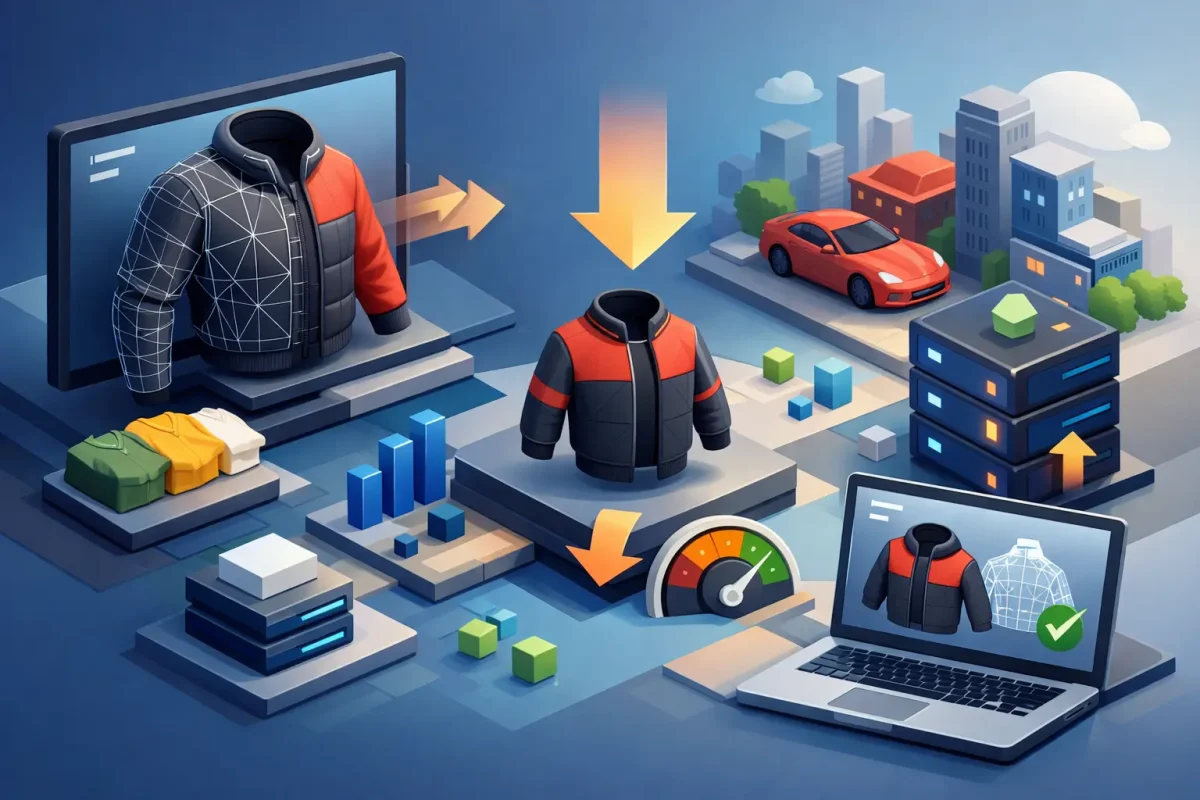


Launching a roleplay server with random downloads is usually where performance problems start. A proper fivem server starter pack is not just a pile of assets – it is a curated base layer built for stable Resmon usage, clean deployment, and room to scale without rewriting half the server two months later.
Most new owners make the same mistake: they judge assets by screenshots, not by how they behave under load. A map might look good in a trailer, a script might sound feature-rich in a listing, and a vehicle pack might advertise volume over quality. None of that matters if your players are sitting in texture loss, script hitch warnings, or bloated client usage the minute population climbs.
What a fivem server starter pack actually needs
A usable foundation starts with the categories that shape the player experience on day one. That means core scripts, a balanced vehicle base, a few high-value MLOs, character customization options, and sound or immersion upgrades that do not punish performance. The goal is not maximum quantity. The goal is coverage.
For a serious RP build, your starter layer should handle identity, movement, jobs, interiors, and visual consistency. If one of those is weak, players feel it fast. They may not describe it in technical terms, but they notice when the city feels empty, when menus stutter, or when every imported car has inconsistent handling and broken collisions.
This is where premium, optimized assets separate themselves from free packs. Free assets can be useful for testing, but they often come with uneven file structure, outdated dependencies, poor documentation, and little attention to Resmon. Premium assets are usually packaged for deployment, maintained for current frameworks, and designed to reduce cleanup work for your developer.
Core scripts come first, not cosmetics
The best starting investment is always the script layer. If your inventory, targeting, housing, MDT, garage, or job system is inefficient, no amount of visual polish will save the experience. Players interact with scripts constantly. Even small inefficiencies multiply when dozens of users trigger them at once.
A strong starter setup uses scripts that are FiveM ready, actively optimized, and clear about resource usage. Low idle Resmon values matter. Efficient event handling matters. Clean UI behavior matters. It also helps when files are editable or open source enough to fit your server logic without forcing a rebuild from scratch.
Free scripts often look attractive because they reduce upfront cost. The trade-off is usually hidden in integration time. You may save money on the download and lose it immediately in debugging, compatibility fixes, duplicated functions, or framework conflicts. For operators who value uptime and predictable deployment, that is rarely a real saving.
Vehicles should add roleplay value, not client strain
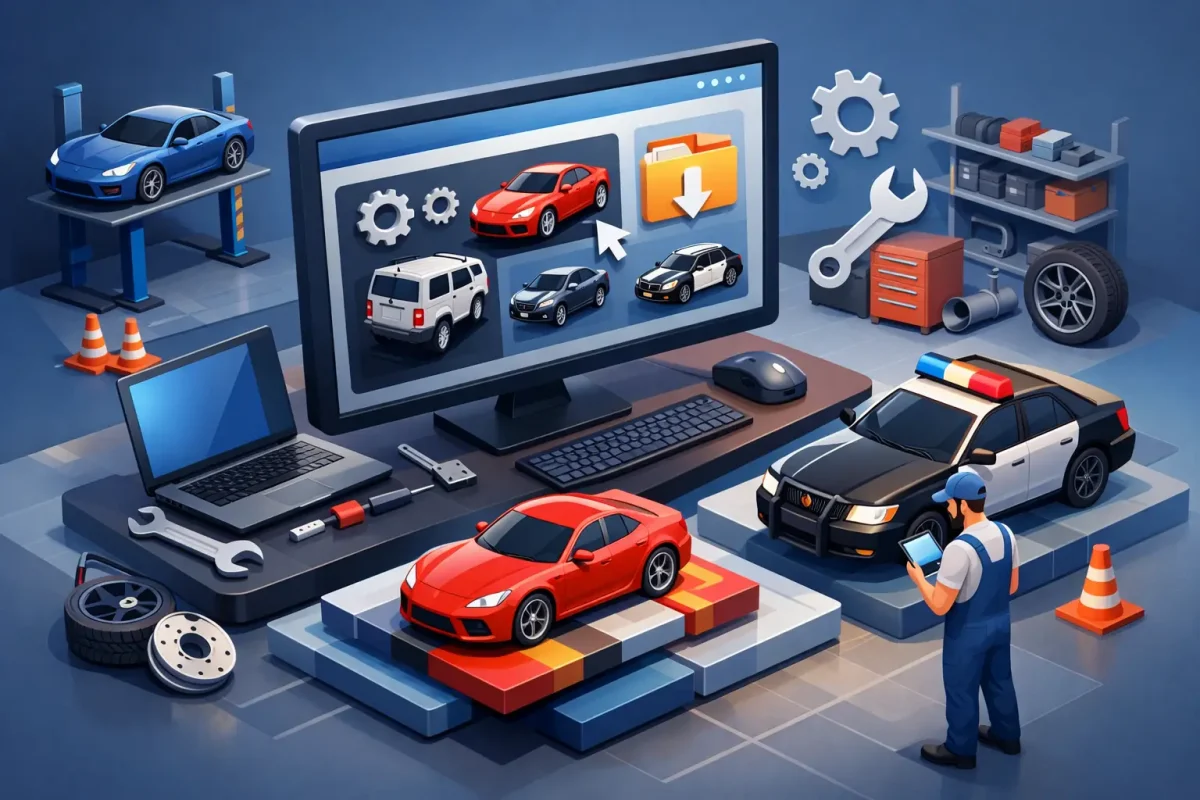
Vehicles are one of the fastest ways to damage performance if you choose badly. A starter pack should include cars or motorcycles that are optimized, lore-friendly when needed, and prepared for actual in-city use. That means sensible poly counts, clean textures, working lights, proper collisions, and handling that fits your server economy and RP tone.
Unoptimized free vehicle packs usually fail in one of two ways. Either the models are too heavy and drag client performance, or they are poorly converted and break immersion with bad fitment, clipping, or inconsistent quality. When your city is full of mismatched imports with different standards, the whole server feels less professional.
Premium packs tend to offer better consistency across the entire catalog. That matters more than many owners realize. A city with a unified visual standard feels intentional. It also makes ongoing expansion easier because you are not constantly replacing old assets that no longer meet your baseline.
MLOs should be selective and strategic
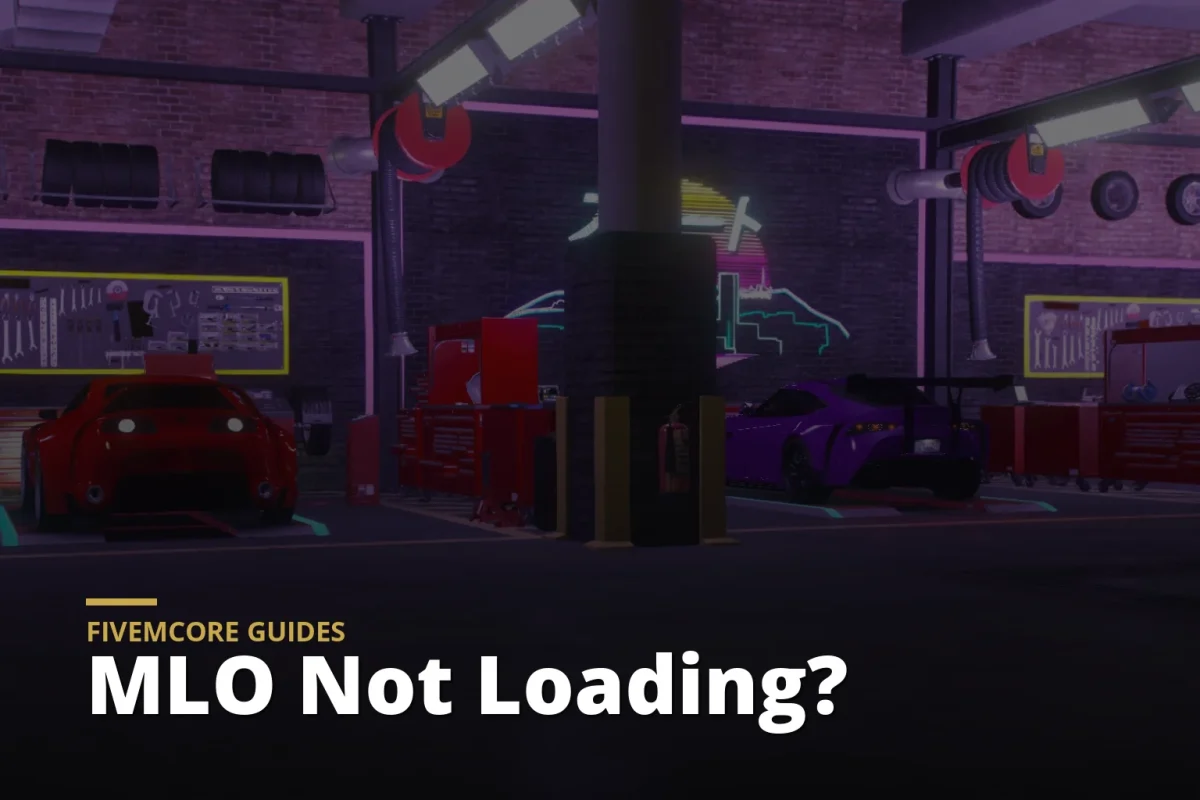
Interiors are where many starter builds go off track. New servers often install too many MLOs too early, then wonder why memory usage grows and mapping conflicts start to appear. A better approach is to choose a few high-impact locations first.
A police department, hospital, mechanic shop, and a handful of civilian businesses usually create more practical value than dropping dozens of decorative interiors across the map. Good starter MLOs should improve job flow, support scene variety, and maintain clean optimization. They also need to fit your server style. If you are building lore-friendly RP, branded or off-theme interiors can break consistency immediately.
This is another area where premium assets generally earn their price. Better collision setup, stronger texture discipline, cleaner object usage, and more reliable installation save time. Free MLOs can work, but the variance is high. Some are excellent. Many are not built with long-term production use in mind.
Clothing, peds, and identity systems shape retention
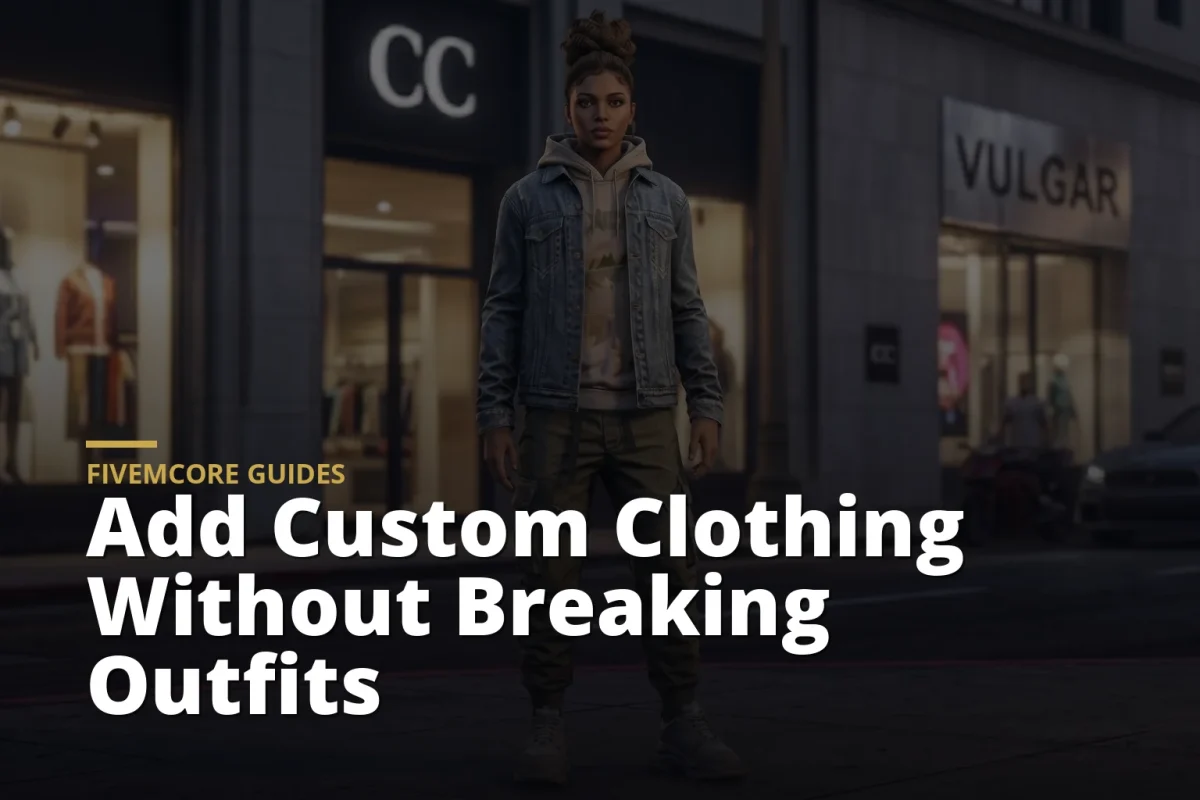
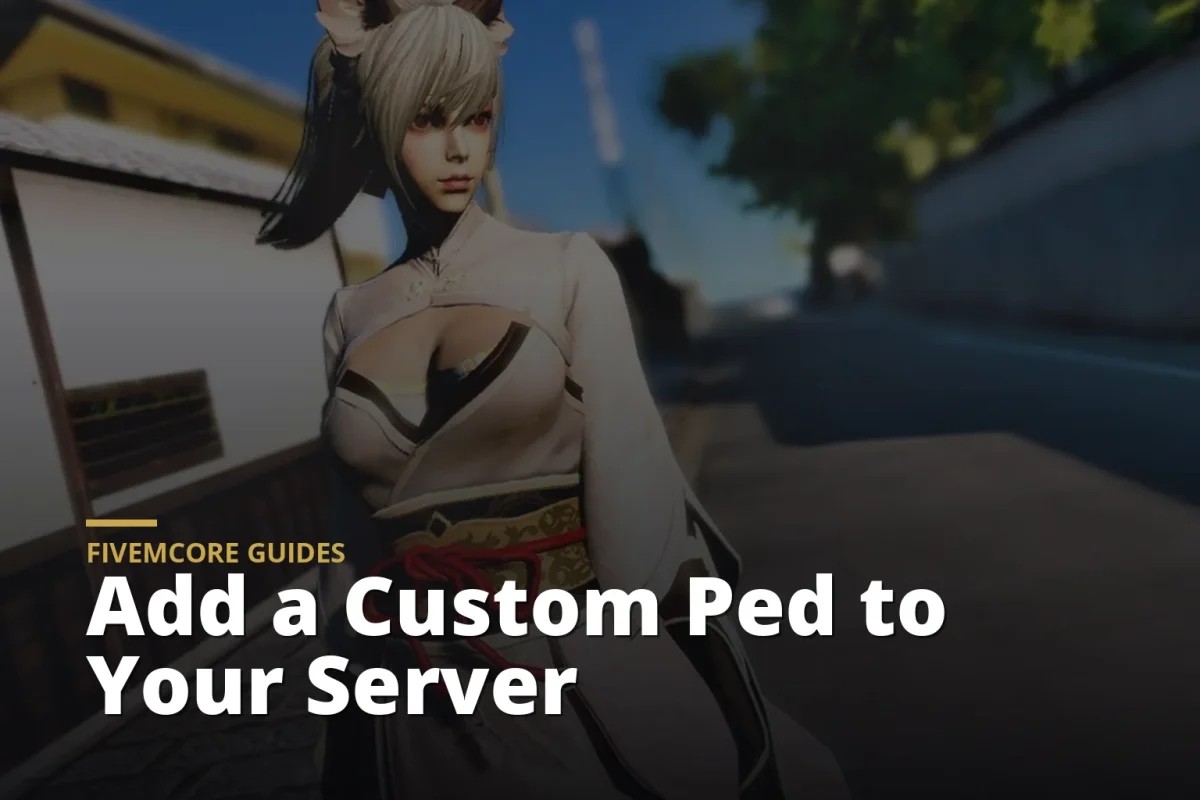
Players stay where their characters feel distinct. A starter pack should include enough clothing and ped options to make identity meaningful without overloading the client with excessive, poorly compressed files. This balance matters.
Large free clothing dumps often create more problems than value. You get duplicate items, broken thumbnails, clipping issues, inconsistent textures, and oversized packs that hit loading times hard. A curated premium clothing pack usually performs better because it is built with roleplay use in mind, not just raw item count.
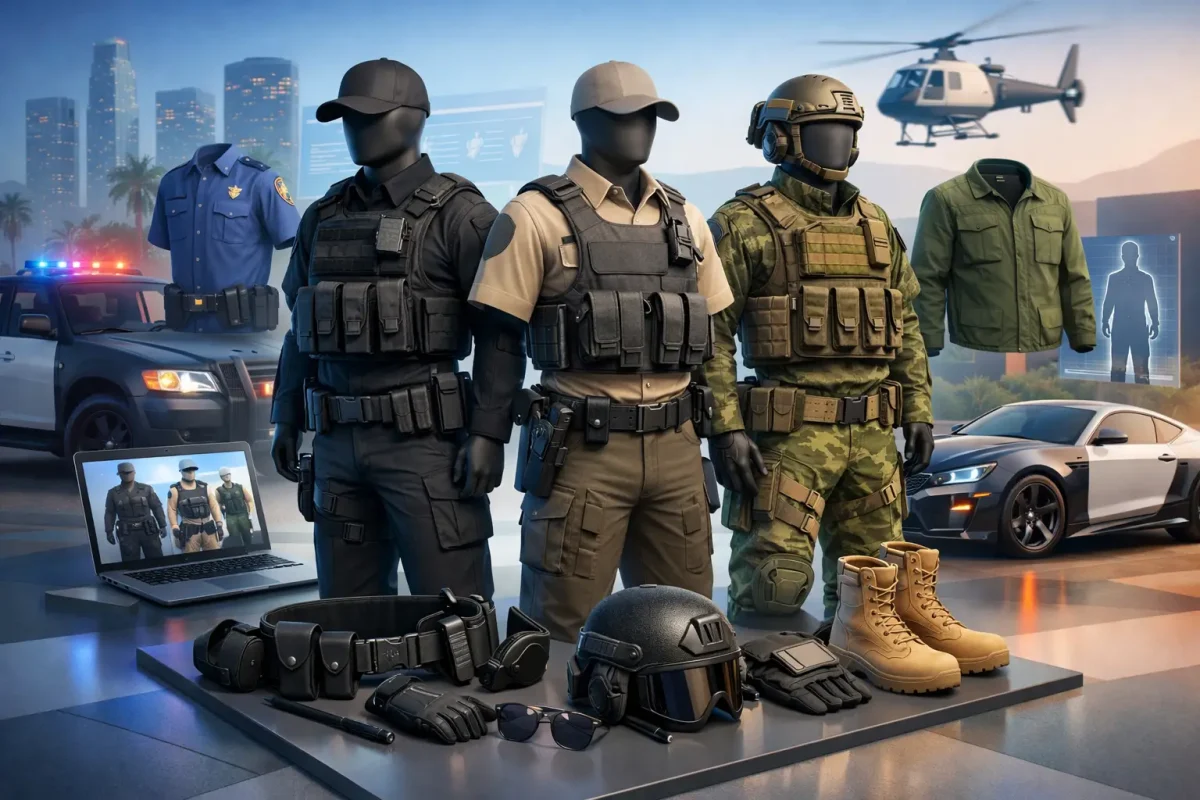
For servers planning gang, civilian, EMS, police, or business factions, clothing quality has direct gameplay value. It helps readability, improves screenshot quality, and supports a more polished first impression for new joins. That is not cosmetic fluff. In roleplay, presentation affects player trust.
Sound and immersion should support performance
Sound packs, ambient upgrades, weapon audio, and environmental enhancements can raise immersion quickly, but only when deployed with discipline. A starter build does not need every possible audio replacement. It needs the right ones.
Choose assets that add clarity and atmosphere without creating compatibility issues or unnecessary bloat. This is especially true if your server already runs a sizeable script stack. Every added resource should justify its footprint. If it improves immersion but pushes the overall build toward instability, it belongs in a later phase, not the starter pack.
Why optimized assets beat free packs in real deployment
The difference is not just polish. It is operational efficiency.
Optimized premium assets usually arrive with cleaner structure, better naming, clearer installation, and a level of QA that reduces surprises. They are more likely to be TOS compliant, unbranded where needed, and suitable for servers that care about long-term scale. That translates into fewer deployment delays and less developer time wasted on cleanup.
Free assets can absolutely have a place in prototyping or in filling niche gaps. But relying on them as the foundation of a production RP server is risky. You often inherit abandoned code, undocumented dependencies, bad optimization habits, and inconsistent asset standards. When server population grows, those hidden compromises start showing up as lag, support tickets, and player churn.
For technical operators, the question is not whether free is cheaper. The question is whether the asset reduces total build cost over time. In many cases, a well-made premium pack wins because it lowers integration time, supports better performance, and delays the need for replacement.
How to evaluate a FiveM server starter pack before buying
Start with performance signals. If the seller cannot communicate optimization standards, idle behavior, or expected usage patterns, that is a red flag. Resmon awareness should not be optional in this market.
Then look at editability. You may not need to customize everything today, but closed, rigid assets can become a bottleneck later. Framework compatibility matters too. A great-looking script that fights your current stack is not a premium purchase – it is a future migration problem.
Compliance is another filter that serious operators should not skip. Lore-friendly and unbranded assets are often the safer path for servers that want clean public presentation and fewer policy headaches. The same goes for delivery structure. Organized files, predictable installation, and clear asset packaging make a measurable difference when you are deploying at scale.
Finally, judge the pack by what it helps you launch, not by how many files it contains. A smaller, better-curated stack usually performs better than a giant bundle filled with overlap and low-value extras.
The right starter pack is built for growth
A good starter setup gets your server online. A strong one makes future expansion easier. That means choosing assets that can support new jobs, faction growth, more interiors, and a larger player base without forcing a rebuild every time your city evolves.
That is why serious operators gravitate toward premium, optimized catalogs from specialized FiveM providers like FivemCore. The value is not just that the assets look better. It is that they are built to deploy faster, run cleaner, and hold up when your server stops being a hobby project and starts operating like a real RP platform.
If you are building for retention, performance, and scale, treat your starter pack like infrastructure. Players may join for the content, but they stay for the server that runs well.