

A server can look great in screenshots and still fail where it counts. Players notice frame drops in busy interiors, delayed interactions, broken vehicle handling, and clothing packs that spike resource usage the second a scene gets crowded. That is where fivem ready server assets separate themselves from random downloads, old leaks, and poorly converted packs.
For serious roleplay servers, asset quality is not just a visual choice. It affects server performance, staff workload, update stability, and how long players stay engaged. If you are building for growth, every asset you add needs to justify its place in your stack.
What makes assets truly FiveM ready
A file being compatible with FiveM is not the same as being production ready. Plenty of assets will start, load, and technically function. That does not mean they are optimized for actual server conditions, especially when dozens of players, vehicles, interiors, and scripts are active at the same time.
FiveM ready server assets are built or prepared for deployment with real server use in mind. That usually means clean file structure, sensible resource naming, tested installation, and asset behavior that does not create unnecessary strain. On a higher standard, it also means low and predictable Resmon values, editable files where customization is expected, and compliance choices that reduce risk for server owners.
For server operators, the practical test is simple. Can the asset be installed without reworking half your framework? Does it perform consistently under load? Can your team maintain it after launch? If the answer is no, it is not ready, no matter how good the preview images look.
Performance is the first filter, not the last
A lot of asset buyers make the same mistake early on. They shop by visuals first and optimization second. That works for a small private test server. It becomes expensive the moment your community grows.
High Resmon usage adds up fast. One poorly made script might seem manageable on its own. Pair it with heavy MLOs, overbuilt vehicle packs, unoptimized clothing, and bloated audio resources, and suddenly your server feels inconsistent. Players may not know what Resmon is, but they absolutely feel the effects.
This is why premium assets usually outperform free ones in production. Free assets often come with unknown conversion history, no cleanup, no update path, and no meaningful optimization work. Some are made for quick release rather than long-term deployment. Premium, purpose-built assets tend to be tested for actual roleplay environments where multiple resources coexist.
That does not mean every paid asset is automatically better. Some paid packs are still oversized, messy, or poorly documented. But when a storefront focuses on optimization as part of the product standard, the difference shows up in day-to-day operations. Lower resource strain means more headroom for the features that actually make your server distinct.
Why Resmon values matter in real servers
Resmon is not just a developer metric. It is one of the clearest signals of whether an asset respects the environment it runs in. A resource with stable, low usage is easier to scale. It gives you room to add more jobs, more interiors, more custom vehicles, and more quality-of-life systems without pushing the entire server toward instability.
The trade-off is that highly optimized assets often take more work to produce. Models need cleanup. Textures need compression choices that preserve visual quality without wasting memory. Scripts need efficient loops, proper event handling, and thoughtful client-server balance. That work is what serious buyers are paying for.
Free versus premium assets is really a cost question
At first glance, free assets seem like the budget-friendly route. In practice, they often shift the cost from purchase price to development time, troubleshooting, and player retention.
A free MLO may require texture fixes, collision cleanup, or streaming adjustments. A free vehicle pack might need handling corrections, audio fixes, or badge removal for lore-friendly use. A free script can create conflicts with your framework or perform badly enough that your developer ends up rewriting key sections. None of that is free once your team starts spending hours on it.
Premium FiveM ready server assets tend to reduce those hidden costs. The value is not only that they work on day one. The value is that they are easier to integrate, easier to edit, and less likely to become technical debt three months later.
That matters even more for newer server builders. If you are not running a full internal dev team, every avoidable issue delays launch and creates more support overhead. Curated assets shorten that path. Instead of spending weekends repairing random files from different sources, you can focus on jobs, economy balance, staff systems, and community growth.
The categories where quality shows up fastest
Some asset types expose bad optimization faster than others. Scripts are the obvious one, because inefficient logic can affect server-wide performance immediately. But MLOs, vehicle packs, clothing, and peds can be just as costly when they are not built carefully.
MLOs need good streaming discipline. Large custom interiors with poor texture management or unnecessary detail density can create performance drops exactly where players gather most. If your server relies on social hubs, gang compounds, businesses, or police stations, this is not a minor issue.
Vehicles need more than polished models. They need sensible poly use, correct materials, stable handling, and clean setup for roleplay use. If they are branded when your server needs lore-friendly content, you also create a compliance and identity problem.
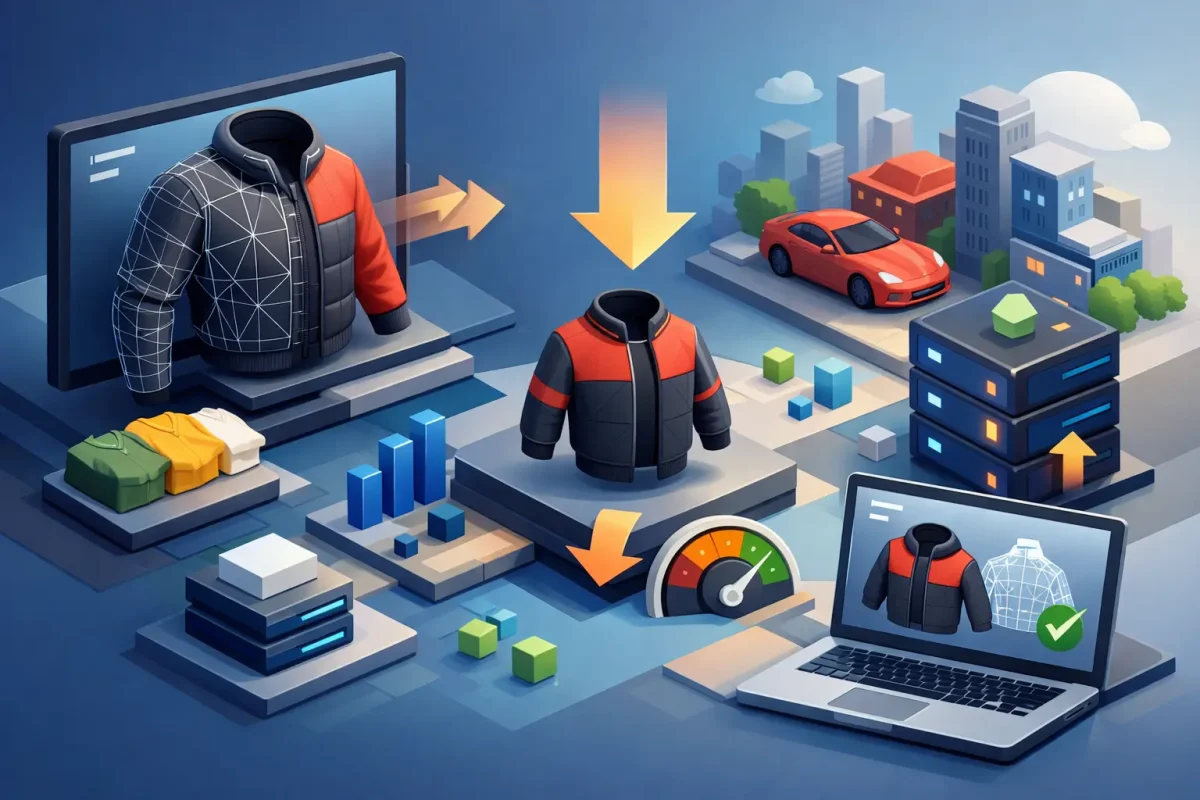
Clothing and ped assets can quietly become one of the biggest drains in active RP servers. Players use them constantly, and low-quality packs often carry bloated textures, bad weighting, or inconsistent compatibility. A premium clothing pack that is optimized and organized well saves both performance budget and support time.
Sounds and environmental assets matter too. They are usually lighter conversation pieces in the catalog, but bad implementation can still cause overlap issues, volume inconsistency, and unnecessary resource clutter.
Compliance and editability are not optional extras
A lot of server owners focus on visuals and forget the risk side until later. That is a mistake. Assets should fit your operational standards, not just your aesthetic goals.
TOS-compliant and lore-friendly options are easier to build around long term. They reduce the risk that a server ends up depending on content that creates avoidable problems later. For public-facing communities, especially those trying to build a stable brand, that matters more than people admit.
Editability is just as important. Even excellent assets usually need adjustments to fit your framework, economy, or roleplay setting. Open or editable files give your team room to localize, rebalance, recolor, rename, or optimize further if needed. Closed assets can still be useful, but they reduce flexibility. Whether that trade-off is acceptable depends on how custom your server is meant to become.
How to evaluate FiveM ready server assets before you buy
Start by thinking like an operator, not a collector. The question is not whether an asset looks impressive in isolation. The question is whether it improves your server without creating downstream problems.
Look for clear signs of optimization standards, not vague marketing language. If a seller talks about low Resmon impact, clean deployment, lore-friendly design, and editable structure, that usually tells you more than cinematic screenshots. The same goes for category depth. A storefront built around serious FiveM deployment will typically offer cars, MLOs, scripts, clothing, peds, sounds, and bundles in a way that reflects how server owners actually build.
You should also consider consistency across your catalog. Mixing assets from random creators can work, but it often leads to uneven quality, visual mismatch, and integration friction. Buying from a source that prioritizes optimization and FiveM-specific use cases creates a more predictable environment. That is one reason server owners often move toward specialized providers like FivemCore once they start scaling.
Better assets create a better operating margin
The biggest advantage of premium assets is not that they are premium. It is that they protect your time and performance budget. Every optimized resource gives you more room to add what players notice most – responsive gameplay, stable scenes, polished environments, and a server that feels maintained instead of patched together.
There is always a balance to strike. Some free assets are useful. Some premium assets may still need tuning. But if your goal is to build a server that can grow without constant cleanup, FiveM ready server assets are not a luxury line item. They are part of the infrastructure.
Build with assets that earn their place. Your players may never mention Resmon, file structure, or compliance status, but they will notice when the server feels faster, cleaner, and worth coming back to.