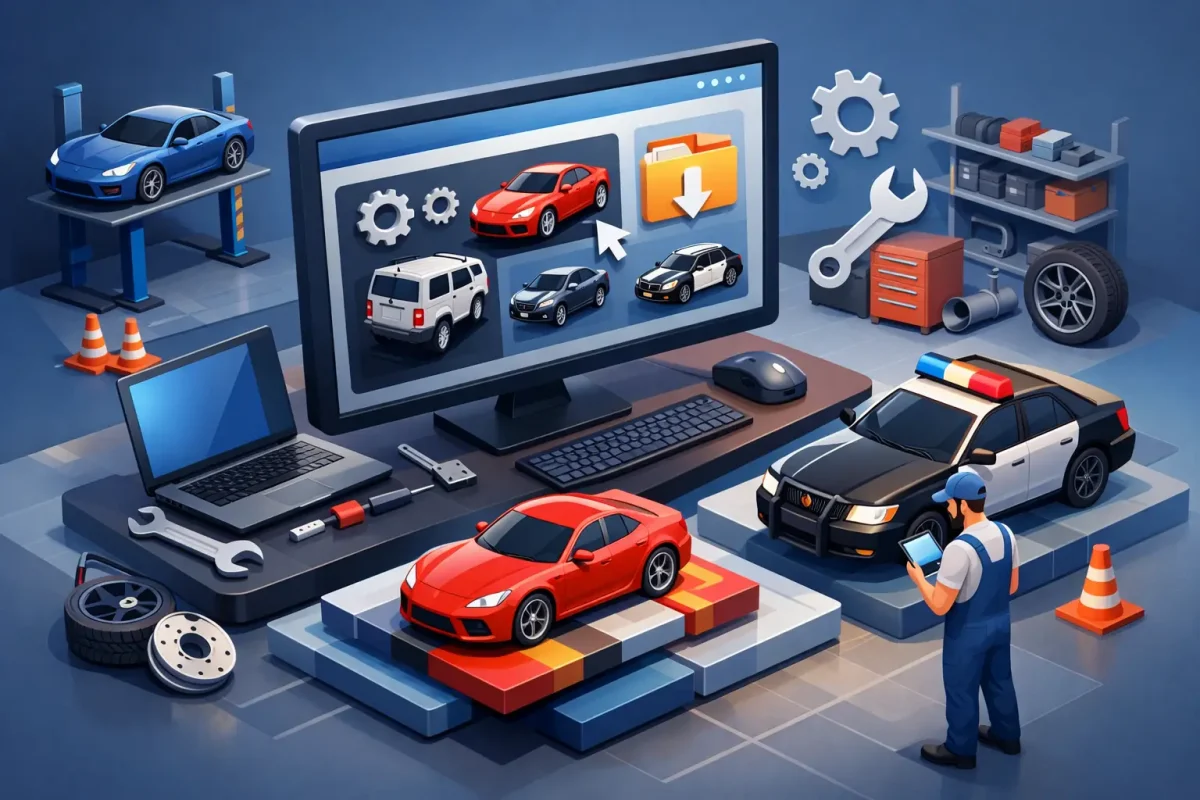

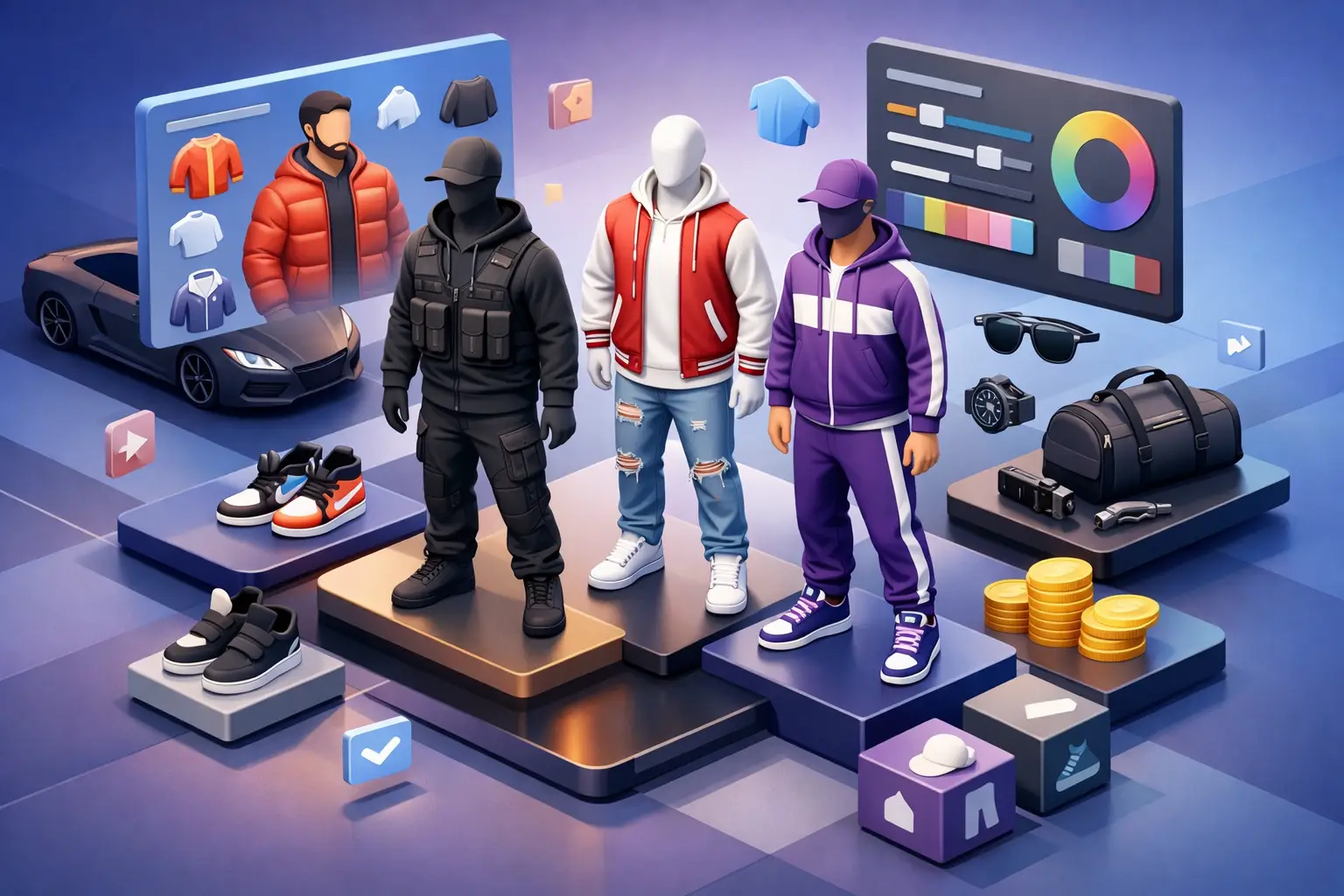
A clothing pack can make your server feel established in five minutes – or expose every weak point in your resource stack. On a busy RP server, bad FiveM clothing packs do more than look inconsistent. They push Resmon higher, create streaming issues, complicate installation, and leave staff fixing wardrobe problems instead of building the server.
That is why clothing should be treated like infrastructure, not filler content. Players notice uniforms, streetwear, gang fits, civ outfits, and department-specific looks immediately. What they do not see is the technical cost behind them unless the pack is badly built. Then they feel it in stutters, texture pop-in, long loading times, and random compatibility issues.
What separates good FiveM clothing packs from bad ones
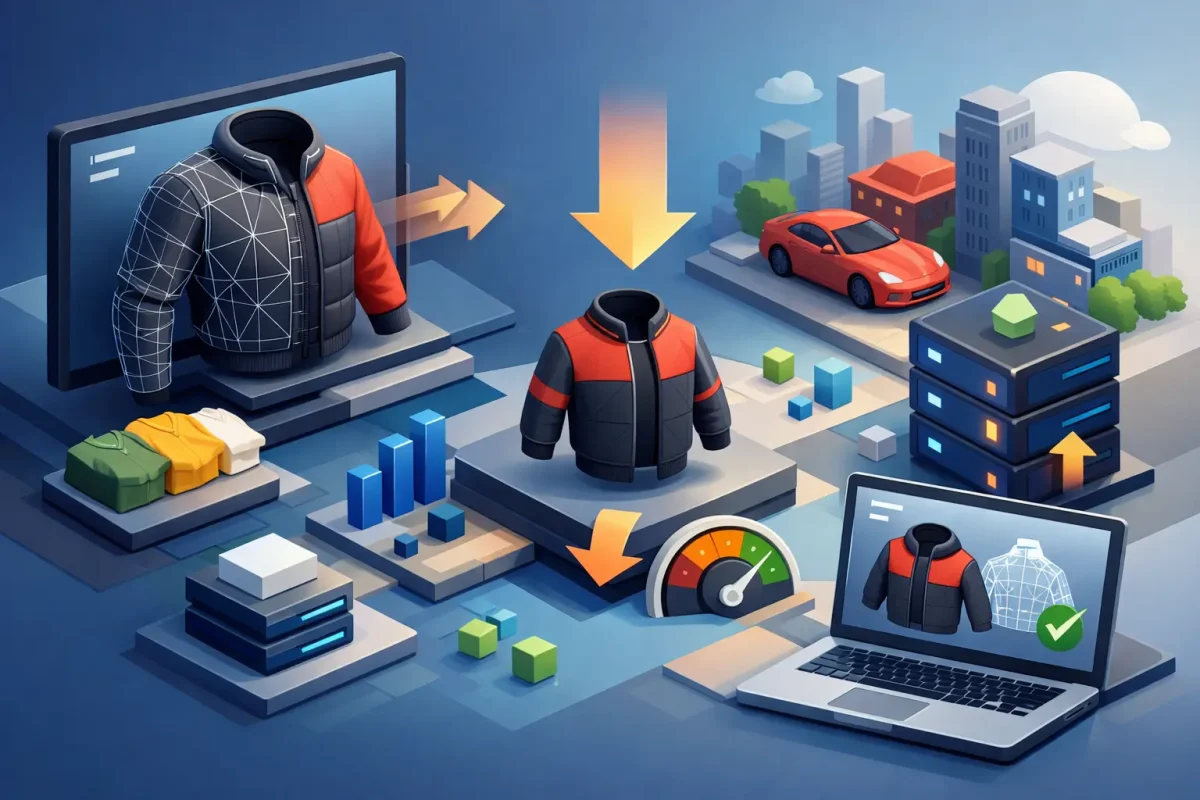
The first difference is optimization. Premium clothing packs are usually built with actual server use in mind, not just screenshots. That means cleaner texture handling, better file organization, sensible component structure, and lower overhead when deployed across a live environment. If you are trying to hold stable performance while multiple players stream custom assets at once, those details matter.
The second difference is consistency. Free packs often come from mixed sources, different creators, and uneven standards. One hoodie looks sharp, the next has poor weighting, another clips through common body types, and half the pack uses naming that turns future edits into guesswork. You can make free assets work, but the labor cost shows up later.
The third difference is compliance. A pack may look great, but if branding, ripped content, or questionable licensing puts your server at risk, it is not a serious long-term solution. For commercial RP servers and communities that plan to scale, lore-friendly and unbranded assets are usually the safer choice.
Why optimization matters more than raw variety
A large catalog sounds good until it starts affecting your server budget. More clothing items do not automatically mean better roleplay if they are packed into bloated resources with poor texture discipline. The real goal is useful variety with efficient delivery.
This is where Resmon becomes part of the buying decision. Clothing resources that are optimized for FiveM should be judged on more than appearance. You want packs that are structured to reduce unnecessary overhead, stream cleanly, and fit into a broader asset ecosystem without causing avoidable spikes. A pack with fewer but better-built items will often outperform a giant free dump that was never prepared for active RP use.
It also depends on your player base. A smaller whitelisted server can tolerate more experimentation than a public server pushing higher concurrency. If your community has active police, EMS, gangs, civ roleplay, businesses, and regular events, clothing usage multiplies quickly. That is when efficient asset design stops being a nice extra and becomes operationally necessary.
FiveM clothing packs for different server needs
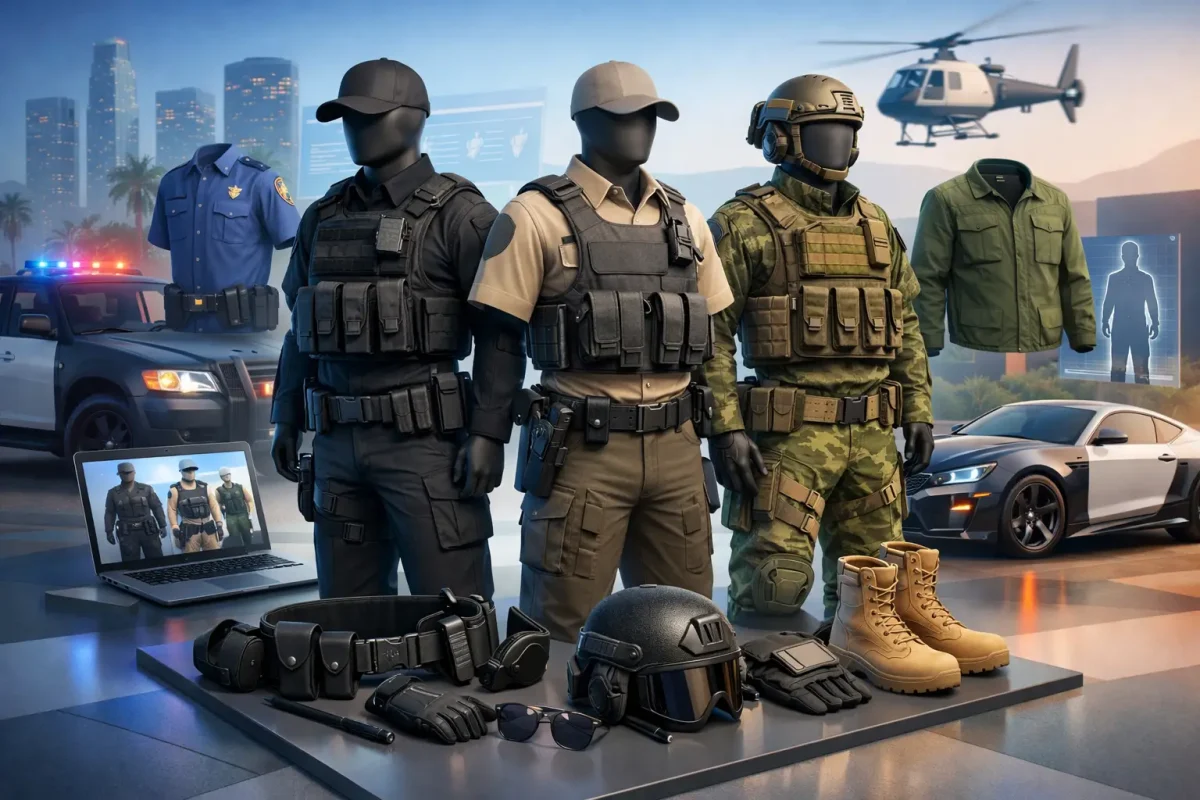
Not every server should buy the same type of pack. Department-focused communities usually need structured uniforms first – police, sheriff, state, EMS, fire, security, or mechanic roles. In those cases, consistency and readability matter more than fashion quantity. Players should be identifiable at a glance, and each rank or division should feel intentional.
Lifestyle-heavy RP servers need a broader mix. Civilian clothing, luxury fits, casual streetwear, business attire, and event-ready outfits all support immersion differently. For those servers, the best packs are not just visually strong. They are organized in a way that lets staff deploy, test, and expand them without rebuilding the clothing system every month.
Gang or faction servers often need a balance between style and control. Distinct silhouettes, coordinated colors, and role-specific pieces help group identity, but overdesigned assets can create clipping, compatibility issues, or a look that feels out of place in a lore-friendly setting. Premium packs tend to handle that balance better because they are built around use cases, not just visual novelty.
Premium vs free clothing packs
Free assets are appealing because they reduce the upfront spend. For early-stage servers, that can seem like the practical move. The trade-off is that free packs often transfer cost from checkout to development time.
You may spend hours cleaning file names, removing broken items, checking for duplicate components, fixing textures, and figuring out why one pack conflicts with another. If your team values time, that is not really free. It is deferred expense.
Premium packs generally earn their value in four areas: cleaner optimization, better visual consistency, easier deployment, and lower risk. They are more likely to arrive FiveM, structured for installation, and aligned with serious RP presentation. That does not mean every paid pack is automatically good. It means the standard should be higher, and you should expect proof of that in the asset quality.
There is also a scaling issue. Free clothing can work for a launch server with light traffic. Once the server grows, inconsistency starts compounding. Staff spend more time supporting wardrobe issues, developers spend more time patching resources, and the player experience becomes less polished. Premium, optimized clothing packs make more sense when you are building for retention, not just opening day.
How to evaluate a clothing pack before you buy
Start with performance expectations. Ask whether the pack is optimized for real server use and whether it is intended to keep resource impact controlled under normal conditions. If a seller cannot speak clearly about optimization, that is a warning sign.
Next, look at editability. Some server owners want plug-and-play deployment. Others need to rework textures, adapt faction colors, or fit assets into a larger framework. If customization matters to your project, editable or open-source-friendly structure has real value.
Then check whether the assets are lore-friendly and TOS compliant. This matters more than many buyers admit. Branded fashion pieces may look attractive in previews, but they can create avoidable policy and presentation problems. Unbranded clothing is usually more flexible across serious RP environments and easier to maintain as your server identity develops.
Finally, consider category fit. A good clothing pack should solve a clear need. If you need public-safety uniforms, a random mixed-fashion pack will not help much. If you need broad civilian immersion, a highly specialized department bundle may be technically excellent but commercially wrong for your server.
Integration matters as much as the asset itself
Clothing does not exist in isolation. It has to live alongside peds, MLOs, vehicles, scripts, inventories, and your server’s overall art direction. A pack that looks fine on its own can still feel wrong if it clashes with the rest of your environment.
That is why serious server operators think in systems. Uniforms should match vehicle liveries and department branding. Civilian fashion should fit the tone of the city. Business attire should support the kinds of jobs and scenes your players actually run. The best asset purchases reduce friction across the whole server build.
This is also where a specialized provider has an advantage. A storefront built around FiveM-ready deployment understands that buyers are not collecting random cosmetics. They are building a usable roleplay stack. FivemCore, for example, positions clothing as part of a broader server-building workflow, which is the right way to think about it if performance and scale matter.
When cheaper packs become expensive
There is a point where low-cost clothing starts hurting more than it helps. Usually it happens when a server begins growing and the content foundation is still held together by mixed free resources. Small issues become recurring tickets. Missing textures turn into immersion breaks. Poor optimization starts showing up when more custom assets stream at the same time.
That is when owners end up replacing the same category twice – first with whatever was cheap, then with something built properly. If your roadmap already includes population growth, faction expansion, or a more premium RP identity, it often makes sense to buy fewer assets upfront and choose better ones.
The right FiveM clothing packs should improve how your server looks without forcing technical compromises behind the scenes. If a pack gives you stronger immersion, predictable deployment, cleaner compliance, and better Resmon behavior, it is doing more than filling a wardrobe slot. It is helping your server run like a product people want to stay on.