

A server can look great in screenshots and still fail the moment players load in. Long download times, bloated resources, poor Resmon numbers, broken dependencies, and unclear licensing are what turn a promising launch into support tickets and refunds. That is why demand for fivem tebex ready products keeps growing among serious server owners. Buyers are not just paying for files. They are paying for faster deployment, cleaner delivery, better performance, and fewer surprises after purchase.
For anyone building a roleplay server at scale, the real value is operational. A product that is ready for Tebex delivery and already built for FiveM use removes friction in two places at once – commerce and implementation. That matters whether you are running a new whitelist project, expanding an established city, or replacing outdated assets that are dragging down client performance.
What makes FiveM Tebex ready products different
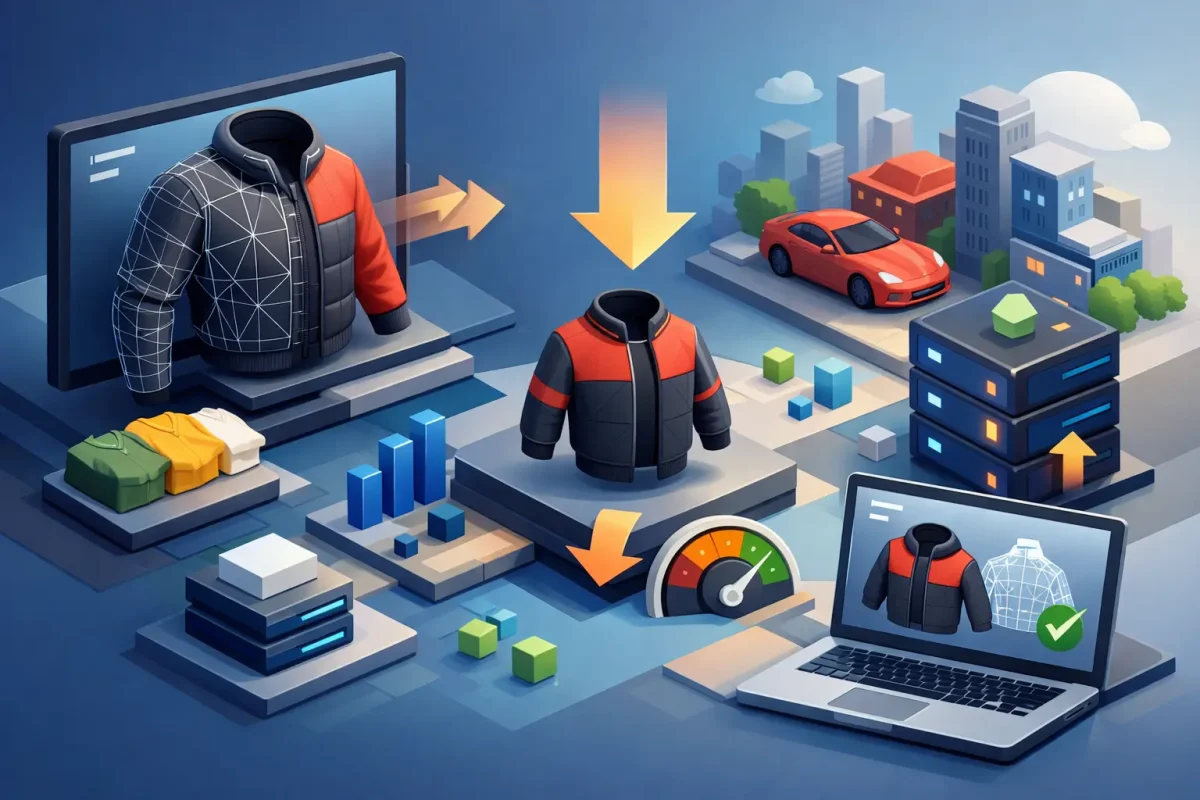
A Tebex ready product is not simply a zip file uploaded to a store. It is packaged for digital delivery, structured for buyer usability, and prepared for a FiveM environment where install quality directly affects stability. In practice, that usually means organized file layouts, clear resource naming, clean dependency handling, usable documentation, and asset standards that fit server operators instead of hobby dumping.
The best fivem tebex ready products also account for what happens after the sale. Can the buyer install it without reverse engineering the resource? Is it optimized enough to fit into a live server without causing spikes? Is it editable where needed? Is it lore-friendly and safe to use in a serious RP economy? Those are the questions that separate premium marketplace assets from random downloads passed around in Discords.
Tebex readiness also has a business side. If you sell access to server packages, donor content, or curated add-ons, predictable delivery matters. Customers expect immediate fulfillment, and operators need products that can be deployed without manual cleanup. A product that arrives in a usable state reduces admin workload and preserves trust.
Performance is the first filter, not the last
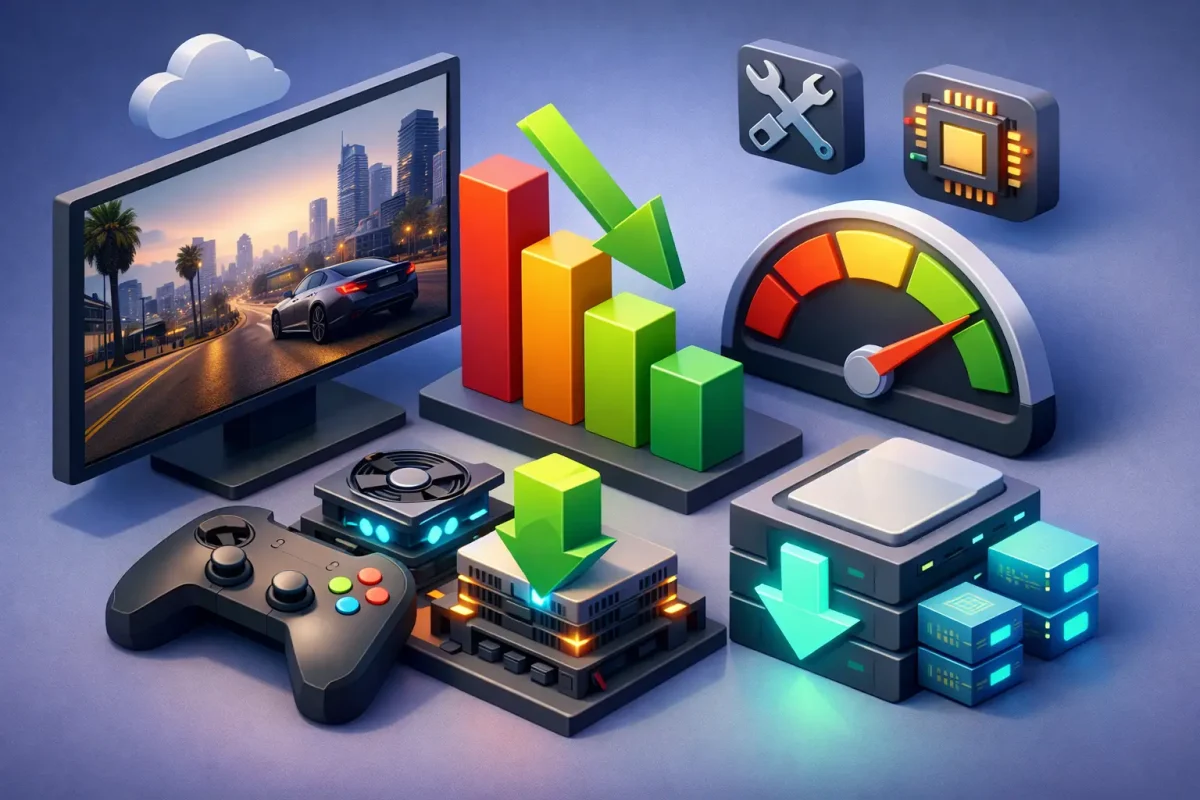
In the FiveM market, optimization is not a bonus feature. It is the baseline for any server that plans to retain players. You can recover from a bland vehicle choice or a weak clothing drop. Recovering from constant frame loss, texture issues, and high resource usage is harder because players feel that problem every minute they are online.
That is why premium assets tend to outperform free ones even before you compare visuals. A free script might technically work, but if its idle Resmon sits too high, scales poorly with player activity, or spams loops that should have been managed better, it becomes expensive in a different way. You save money up front, then pay for it through troubleshooting, rewrite time, and lower player satisfaction.
The same goes for vehicles, MLOs, clothing, and sounds. Unoptimized assets often carry oversized textures, sloppy collision, poor material setup, or inefficient scripting around interactions. One resource may not kill performance on its own. Ten or twenty low-quality resources stacked together absolutely can.
Premium, optimized assets are built with the full server environment in mind. Better texture discipline, cleaner file structure, lower unnecessary overhead, and more responsible script execution all translate into stronger Resmon behavior. For a server owner, that means more room to grow without constantly choosing between content variety and performance.
Free vs premium is really about risk
There is a reason experienced operators become selective after their first few launches. Free assets are tempting because they fill gaps quickly, but they often come with hidden costs. Some are abandoned. Some are poorly converted. Some include branding, handling, or content choices that do not fit a lore-friendly server. Some create legal and compliance headaches that are not obvious until your server is already relying on them.
Premium products reduce that uncertainty when they are built by a seller who understands FiveM deployment standards. The difference is not only polish. It is consistency. You know what category you are buying, what use case it serves, what level of optimization to expect, and whether the asset is designed for roleplay rather than general mod clutter.
For teams managing a serious RP environment, consistency is what keeps development moving. If every new purchase requires hours of rework, folder cleanup, retexturing, or fixing obvious performance issues, your content pipeline slows down. A cheaper product can become the more expensive choice once developer time enters the equation.
The categories where Tebex ready matters most
Some asset types benefit more than others from being prepared for immediate deployment. Scripts are the clearest example. A script with bad documentation, confusing config logic, or messy dependency requirements can stall an update cycle. A good one drops in cleanly, exposes the right editable areas, and behaves predictably under load.
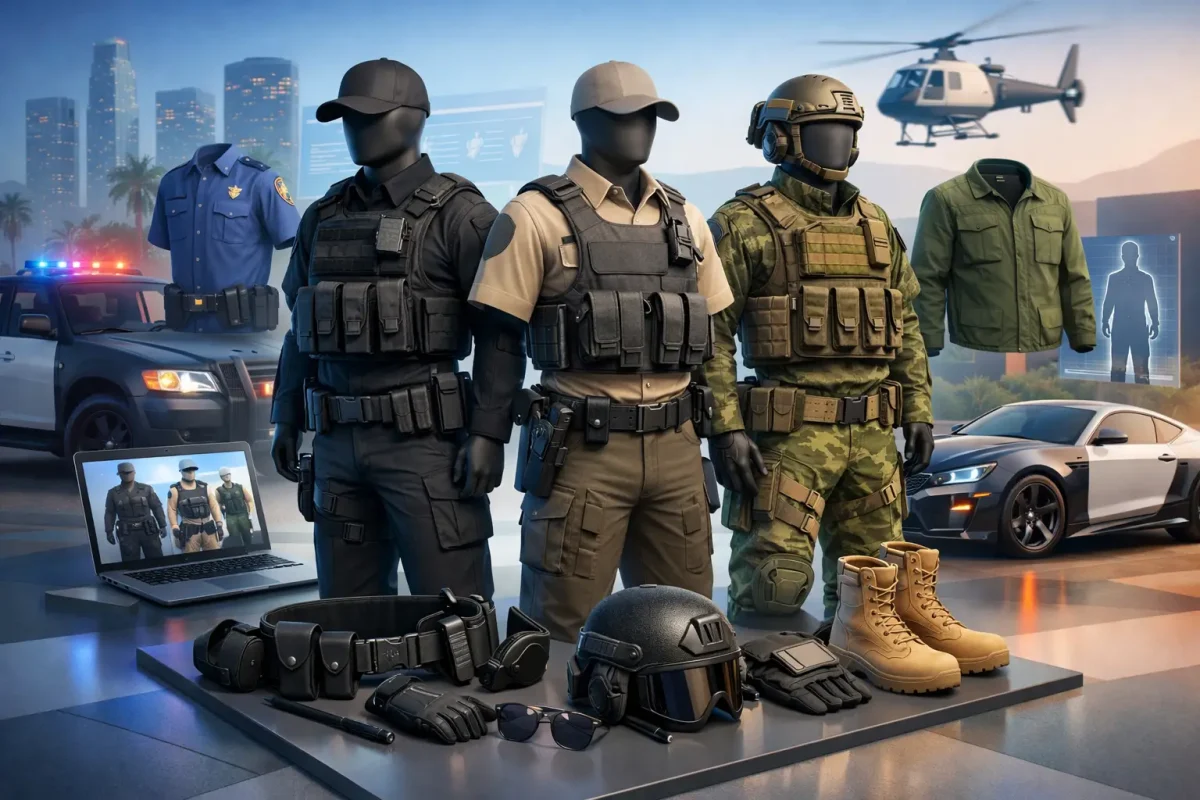
Vehicle packs are another category where quality standards matter. Buyers need proper streaming behavior, sensible file sizes, optimized models, and roleplay-appropriate presentation. If a pack is Tebex ready but not truly FiveM ready, the result is still wasted time. The same applies to MLOs, where map detail has to be balanced against client cost, and to clothing and ped packs, where texture management can make or break usability.
Bundles often provide the biggest operational gain. When assets are designed to work together, server owners spend less time normalizing style, fixing naming conflicts, and trying to force a shared standard across unrelated files. For newer builders especially, curated bundles shorten the path from concept to live server.
Compliance and editability matter more than buyers admit
A lot of buyers start with visual appeal and only later think about compliance. That is backwards. For long-term server health, TOS-aware and lore-friendly products are safer bets than heavily branded or questionable imports that may need replacement later. If you are building a public-facing RP project, it is smarter to choose assets you can keep in rotation instead of content that creates avoidable risk.
Editability matters for the same reason. Few servers want to run assets exactly as purchased forever. You may want to change text, rebalance pricing logic, adjust interactions, swap textures, or fit the item into a custom framework. A premium asset that is cleanly editable gives your team options. A locked-down or messy resource limits your ability to adapt.
This is one area where specialist marketplaces have an advantage. Sellers focused on server infrastructure tend to understand why operators ask about open source access, configuration depth, and compliance language before they buy. Those questions are not edge cases. They are purchase criteria.
How to evaluate fivem tebex ready products before buying
The fastest way to judge quality is to think like an operator, not a shopper. Start with deployment risk. Ask whether the product appears structured for immediate use, whether the documentation is likely to reduce setup time, and whether the asset category has been built with FiveM performance standards in mind.
Then look at optimization signals. For scripts, that means sensible Resmon expectations and no obvious design choices that suggest wasteful execution. For mapped content and vehicles, it means paying attention to file weight, texture discipline, and whether the asset is presented as optimized instead of merely detailed. High visual fidelity is useful only when it does not punish the player experience.
After that, check fit. A product can be technically solid and still wrong for your server. Lore-friendly presentation, unbranded design, category alignment, and editability all matter if you want a cohesive city. Serious buyers are not collecting random files. They are building a content stack.
That is where providers built around premium FiveM infrastructure stand out. A catalog that emphasizes optimized, editable, roleplay-focused assets is easier to buy from because it already reflects the priorities server owners care about.
Why better products convert into better communities
Players rarely praise optimization directly, but they feel it constantly. They notice when a city loads cleanly, interiors feel polished, vehicles fit the setting, and interactions work without lag spikes. They also notice when the opposite is true. Bad assets break immersion fast because technical issues and visual inconsistency make the world feel unfinished.
Better products support better retention because they reduce that friction. Admins spend less time patching basic issues. Developers can focus on custom features instead of repair work. Community managers get fewer complaints about performance and broken content. The result is not just a cleaner setup. It is a more stable server identity.
If you are buying for growth, not just launch day, fivem tebex ready products are less about convenience than control. They give you a more reliable way to scale content without dragging performance, compliance, or usability behind you. The right asset should save time before install, during integration, and long after players start using it. That is usually the difference between content that fills a folder and content that actually strengthens a server.
A smart purchase is the one that keeps paying you back in performance, uptime, and fewer problems six months from now.