
A city falls apart fast when the vehicle roster makes no sense. If your police fleet looks grounded but civilians are driving off-brand supercars ripped from real manufacturers, players notice it immediately. That is why lore friendly FiveM cars are not just a visual preference – they are a server-building standard for communities that care about immersion, compliance, and long-term performance.
For serious RP servers, vehicle choice affects more than screenshots. It shapes character credibility, department consistency, traffic variety, and even how stable your server feels under load. The difference between a clean lore-based fleet and a random collection of imports is usually the difference between a server that feels curated and one that feels unfinished.
What lore friendly FiveM cars actually mean
In the FiveM ecosystem, lore friendly usually means vehicles designed to match the GTA universe rather than directly reproducing real-world branded models. That includes fictional badges, in-universe design language, and styling that sits naturally alongside Rockstar-inspired traffic, emergency fleets, and civilian builds.
That distinction matters for two reasons. First, it keeps visual consistency intact. A lore-friendly sedan, SUV, or bike blends into the world instead of pulling players out of it. Second, it supports a safer asset strategy for server owners who want unbranded, TOS-conscious content instead of relying on questionable conversions or poorly altered real-car models.
A strong lore-friendly vehicle pack does not need to look generic. The best ones still feel premium, detailed, and distinct. They simply look like they belong in Los Santos, not like they were dragged in from a different game.
Why lore friendly FiveM cars are better for RP servers
FiveM depends on believability. Players may not stop to analyze every bumper and grille, but they absolutely feel the difference between a cohesive world and a mixed asset dump. When civilian traffic, gang vehicles, dealership stock, and government fleets all follow the same visual logic, scenes land better.
This becomes even more important on larger servers. Once you have multiple departments, custom jobs, player-owned businesses, and an active economy, vehicle consistency starts affecting server identity. A curated lore-friendly lineup makes your city recognizable. It gives your server a style instead of a pile of addons.
There is also the compliance angle. Many server operators have moved away from heavily branded or questionable real-world assets because the risk and maintenance cost are not worth it. Lore-friendly content gives you more room to scale cleanly, especially if you are building a store, dealership mlo, faction fleets, or paid progression around your vehicles.
Premium vs free vehicle packs
Free assets are attractive for one reason – speed. You can fill a server quickly without spending much. The problem is what usually comes with that shortcut: inconsistent quality, broken materials, poor handling data, bad collision meshes, oversized textures, and weak optimization.
Premium lore friendly FiveM cars are usually built for deployment, not just for previews. That means cleaner file structures, more reliable naming, better texture management, stronger LOD setup, and fewer surprises during installation. For server owners and developers, that directly reduces setup time and troubleshooting.
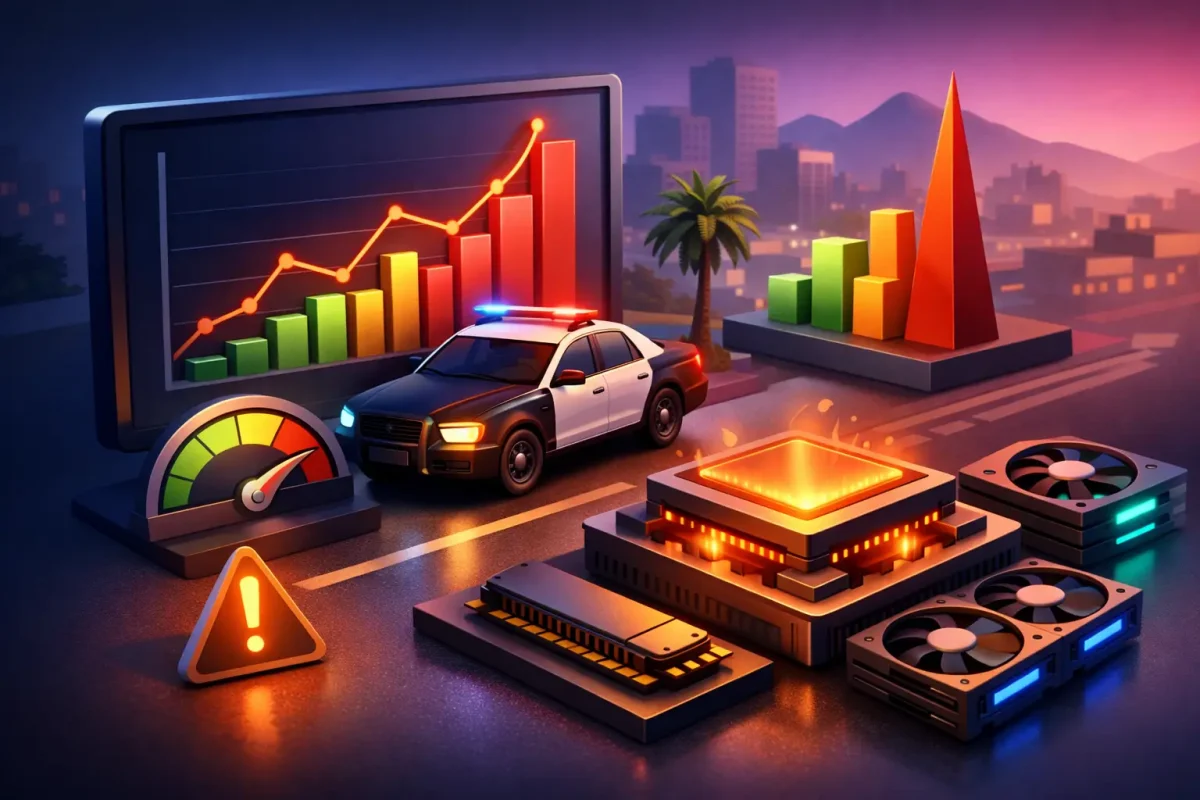
The biggest difference often shows up in performance. A free car that looks acceptable in a showcase can still be expensive in live use. Multiply that by dozens of streamed vehicles in a populated area and your Resmon profile starts telling the real story. Texture memory climbs, frame stability drops, and players on lower-end systems feel it first.
Premium optimized assets cost more up front, but they usually save time, reduce support overhead, and create a better player experience. For a server trying to retain users, that trade-off is easy to justify.
Performance matters more than screenshots
A vehicle can look excellent and still be a bad server asset. For FiveM, the practical standard is not just visual quality. It is whether the vehicle streams efficiently, behaves predictably, and avoids unnecessary overhead in active gameplay.
That is where optimization work matters. Well-built lore friendly FiveM cars are typically packaged with sane poly budgets, compressed and organized textures, clean materials, and proper LODs so distant rendering does not cost more than it should. Collision data should be accurate without being excessive. Audio, meta configuration, and extras should all be set up with deployment in mind.
From a server operator perspective, Resmon values are not a side concern. They are part of the buying decision. While vehicles do not behave exactly like a heavy script resource, poor asset quality still shows up in client performance and streaming pressure. If your city runs dense scenes, custom MLOs, EUP, and multiple scripts at once, every unoptimized asset adds friction.
A good rule is simple: if a vehicle pack only sells visuals and says nothing about optimization, be cautious. Serious assets should be built for active servers, not just marketing renders.
What to look for before you add vehicles to your server
When evaluating lore-friendly vehicles, start with fit. Does the model match the tone of your server? A realistic economy-based RP server needs a different vehicle mix than a high-action city with custom criminal progression. The best asset is not always the flashiest one. It is the one that supports your gameplay loop.
Then look at technical quality. Vehicle packs should have consistent naming, clean install structure, and sensible metadata. Poorly organized files slow down deployment and make future edits harder, especially if you run a larger catalog across dealerships, jobs, and faction garages.
Texture discipline is another filter. Large, sloppy textures can make a single release feel far heavier than it should. Materials should be clean, windows should render properly, and liveries or extras should not create avoidable bloat.
Finally, think about editability. Many server owners eventually want to tune handling, swap liveries, rebalance pricing, or align fleet visuals across departments. Editable, well-prepared assets are easier to scale than closed, messy packs that force workarounds later.
Where lore friendly vehicles create the most value
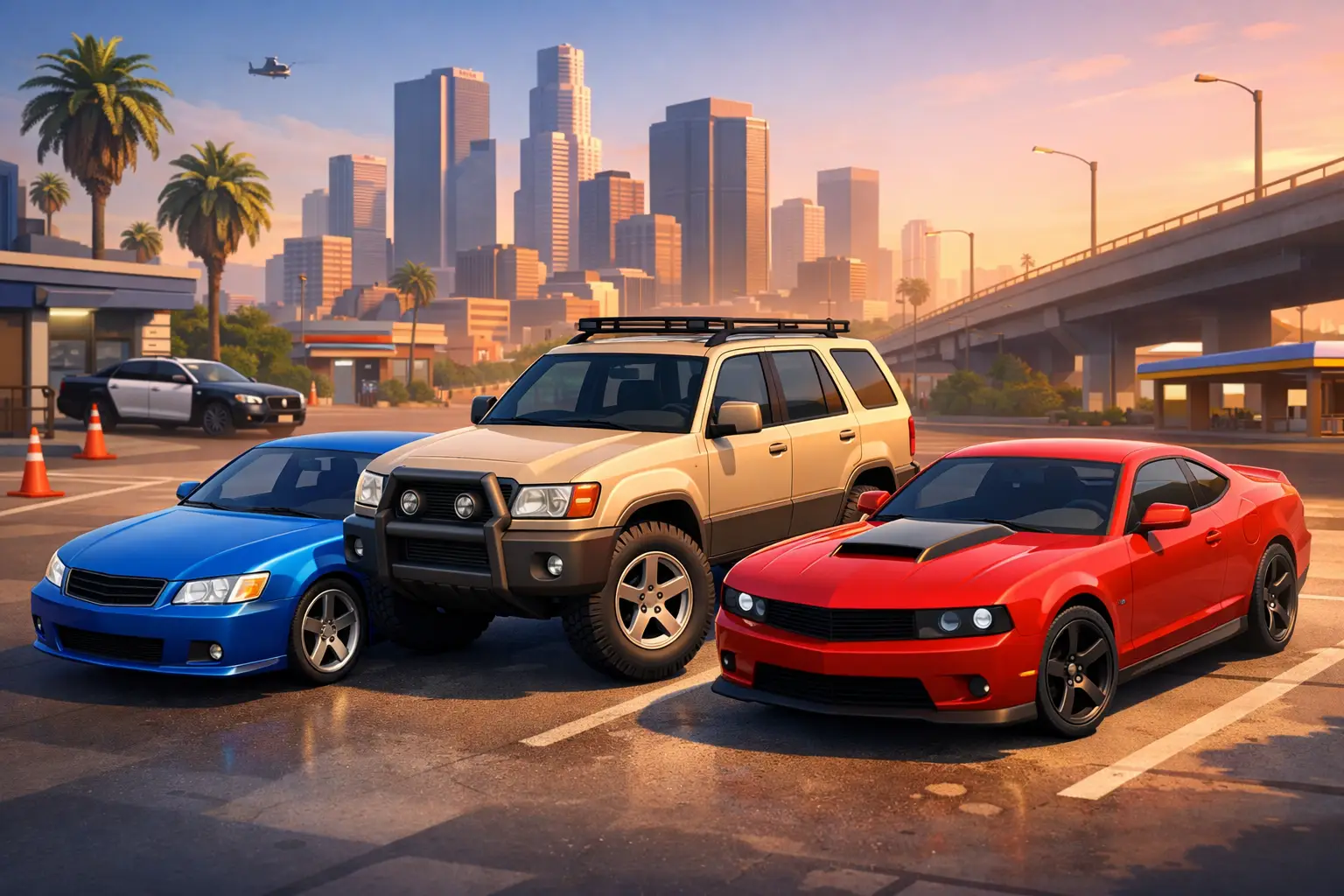
Civilian traffic is the obvious starting point. When everyday sedans, coupes, trucks, and SUVs feel native to the GTA style, the entire map reads better. Players spend most of their time around civilian vehicles, so even small quality improvements have a big impact on immersion.
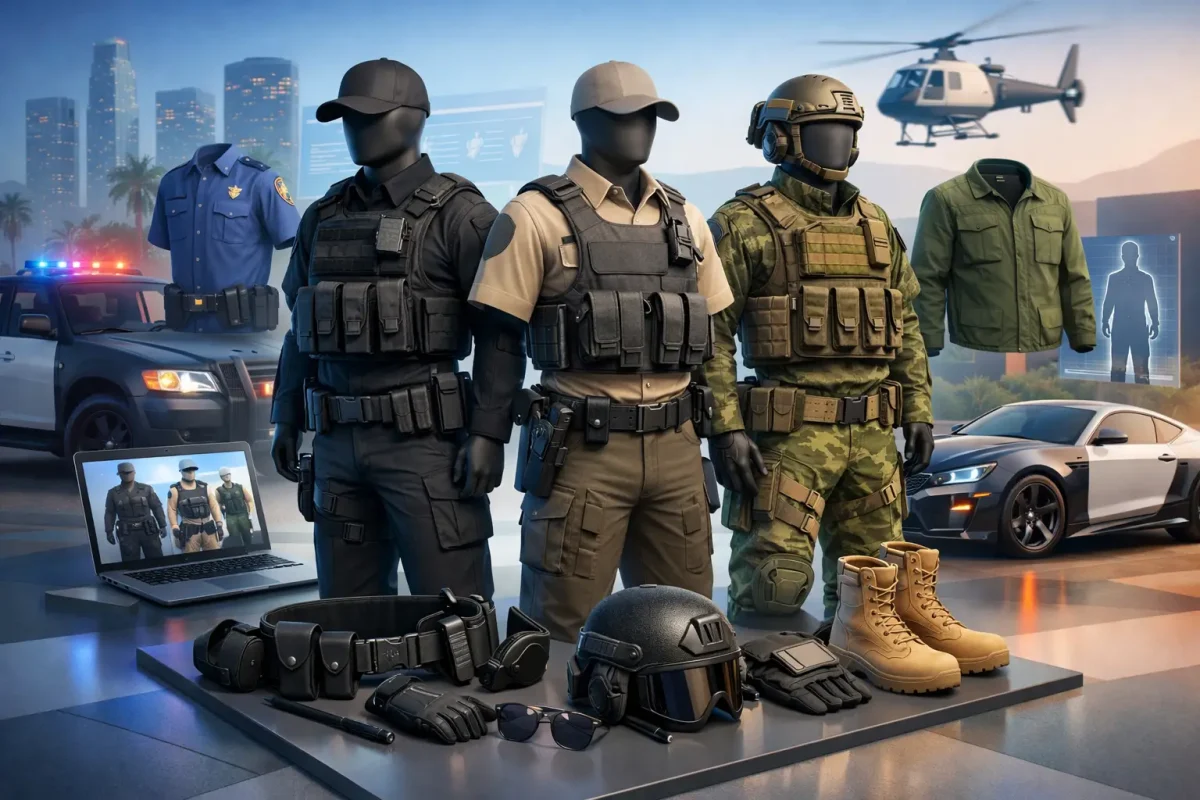
Department fleets are another high-value category. Police, EMS, fire, and government units benefit from lore-friendly branding because they reinforce the world while avoiding the awkward look of direct real-world replicas sitting beside fictional map elements and businesses.
Dealership systems also benefit from consistency. If your import shop, luxury dealer, and budget lot all sell vehicles that match the same universe, your economy feels more intentional. That helps with roleplay and with monetization design because each class of vehicle has a clearer place in the server.
Criminal and gang usage is where some servers make mistakes. It is easy to overbuild this category with aggressive custom models that look cool in isolation but clash with the rest of the city. A better approach is variety within the same lore-friendly visual language.
Why builders are moving away from random car packs
Early-stage servers often install whatever is available. Later, they end up replacing half of it. That is because random car packs create long-term friction. Duplicate niches, mixed quality standards, inconsistent scale, uneven handling, and unsupported files eventually slow down both development and player-facing polish.
A curated lore-friendly approach is easier to maintain. It gives you a vehicle roadmap instead of a vehicle pile. You can expand by category, align price tiers, assign faction access cleanly, and keep visual standards intact as the server grows.
This is also where a specialist storefront has an advantage. Instead of hunting through scattered releases and testing each one blind, server owners can source assets built around the same priorities: optimization, deployability, editability, and compliance. For teams trying to build seriously, that is a much better workflow than gambling on inconsistent freebies.
Choosing lore friendly FiveM cars for scale
If you are building for more than a small private server, choose vehicles the same way you choose scripts or interiors – based on operational value. Ask whether the asset improves immersion, whether it is optimized for active use, whether it fits your server identity, and whether it will still make sense six months from now.
The best lore friendly FiveM cars do not call attention to themselves for the wrong reasons. They support the world, hold up under load, and give players a cleaner roleplay experience from the first traffic stop to the last dealership purchase of the night.
A vehicle roster should not be the part of your server you constantly have to explain away. It should quietly make the whole city feel more finished.